What is titanium?
In the vast constellation of metallic materials, titanium, with its unique physicochemical properties and wide range of applications, has become an indispensable "strategic metal" in modern industrial and technological development. From aerospace to healthcare, from deep-sea exploration to everyday consumer goods, titanium is ubiquitous, redefining the boundaries of materials science with its lightweight yet robust nature.

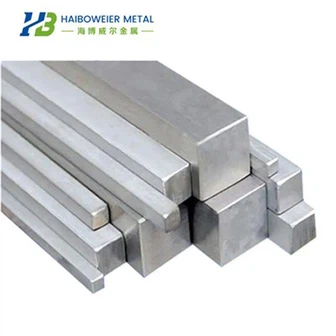
Titanium, element symbol Ti, atomic number 22, is a silvery-gray transition metal with a cool metallic luster. Its density is only 60% that of steel, yet it possesses comparable strength, with a melting point as high as 1668℃, maintaining stable performance even at high temperatures. This "light and strong" characteristic makes titanium a favorite in the aerospace field. Approximately 15% of the Boeing 787's fuselage is made of titanium alloy; the fuselage and engine blades of the F-22 stealth fighter also rely on titanium alloys for support; and during high-speed flight, the Concorde's titanium alloy fuselage is crucial for resisting high-temperature friction. Titanium alloys also possess remarkable corrosion resistance, exhibiting virtually no reaction in strong acids, alkalis, and seawater. This property makes them ideal for chemical equipment, desalination pipelines, and offshore oil drilling platforms.
Titanium's biocompatibility has opened doors in the medical field. It exhibits excellent biocompatibility with human tissues and blood, is non-toxic, and does not trigger rejection reactions, thus finding widespread application in implants such as artificial joints, bone screws, dental implants, and cardiac stents. Titanium surgical instruments are lightweight, corrosion-resistant, and can be repeatedly sterilized, making them invaluable tools in precision surgeries. In consumer electronics, titanium alloys are increasingly becoming standard in high-end products. High-end models from brands like Apple and Samsung utilize titanium alloy frames, enhancing durability and giving them a unique texture. Titanium eyeglass frames and watch cases, with their lightweight, wear-resistant, and hypoallergenic characteristics, represent a perfect blend of style and practicality.
The applications of titanium extend far beyond these examples. In marine engineering, titanium alloys' high-pressure resistance and corrosion resistance make them the preferred material for pressure chambers in deep-sea submersibles. In the new energy field, titanium's ability to absorb hydrogen provides a safety guarantee for hydrogen storage tanks, while titanium foil is used in fuel cell bipolar plates, contributing to the development of clean energy. Even in everyday life, titanium, with its advantages of safety, freshness preservation, and corrosion resistance, is quietly changing people's lifestyles in items like insulated cups and sports equipment. For example, titanium insulated cups not only do not contain harmful substances such as BPA, but also effectively lock in the freshness of beverages, maintaining their original flavor for a long time, making them an ideal choice for a healthy lifestyle.
Although titanium's smelting process is complex and its price is 5-10 times that of steel, with technological advancements, this "noble metal" is gradually entering a wider civilian market. The widespread adoption of electron beam cold hearth melting technology has increased the yield of titanium materials from 60% to 85%, reducing production costs by 20%-30%. The development of emerging electrolysis methods, such as the FFC Cambridge process, is expected to further promote the application of titanium in the automotive, construction, and other fields. As the world's largest producer of titanium, accounting for over 40% of global output, China is seeing its domestically produced C919 large passenger aircraft and the surge in demand for hydrogen storage and transportation equipment drive the localization rate of high-end titanium alloys from 30% to 50%.
From life-saving medical implants to spacecraft exploring deep space, from deep-sea equipment to everyday consumer goods, titanium, with its unique charm, serves as a bridge connecting high-end industry and daily life. With continuous technological breakthroughs and gradual cost reductions, the application areas of titanium will continue to expand. It is not only a cornerstone of modern industry but also one of the core elements of future materials innovation. Led by titanium, we are moving towards a new era of lighter, stronger, and more corrosion-resistant materials, and all of this begins with that silvery-gray metallic luster-titanium, in its own way, is writing a legend in materials science.