


Advantages Of Titanium Plates in Sports Equipment
In the design and manufacturing of modern sports equipment, the choice of materials directly affects the product's performance, durability, and user experience. With technological advancements, traditional materials such as steel and aluminum alloys are gradually being replaced by newer materials, among which titanium plates, due to their unique physical and chemical properties, are becoming an important choice for high-end sports equipment. Titanium itself possesses high strength, low density, and excellent corrosion resistance, characteristics that make it far superior to traditional materials in sports equipment. For sports enthusiasts, lightweight yet sturdy equipment not only enhances the sports experience but also reduces the risk of injury. Furthermore, the high durability of titanium plates means that equipment will not show significant wear or deformation over long-term use, which is particularly important for outdoor sports equipment and extreme sports gear.
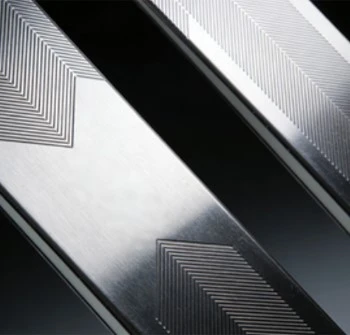
In addition, titanium plates have good biocompatibility, effectively reducing skin allergies or discomfort in sports equipment that comes into contact with the human body (such as protective gear, helmets, and handles). Titanium plates also have good processing performance and plasticity, allowing for customized manufacturing according to the design requirements of different sports equipment, resulting in equipment that is not only high-performing but also aesthetically pleasing and ergonomically designed. These combined advantages have made titanium plates the preferred material for high-end bicycle frames, skis, tennis rackets, mountaineering equipment, and other sports equipment. Below, we analyze the specific advantages of titanium plates in sports equipment from different perspectives.
Lightweight Advantage
Using titanium plates in sports equipment manufacturing reduces weight and improves portability. Titanium plates have only about 60% the density of steel, significantly reducing the weight of sports equipment while maintaining strength. For example, high-end bicycle titanium alloy frames are about 30%-40% lighter than steel frames, resulting in less physical exertion during riding and less fatigue during long rides.
Reduced Drag: Using titanium plates on equipment such as skis and rowing paddles reduces inertial drag while maintaining stability, making movements more agile and fluid.
High Strength & Withstands Extreme Pressure
Titanium plates have extremely high tensile and bending strength. For example, mountaineering harnesses and extreme climbing equipment made with titanium plates can withstand greater weight and impact, ensuring the safety of athletes.
High Resistance to Deformation
Sports equipment is frequently subjected to impacts and bending during use. Titanium plates are not easily deformed, thus maintaining shape stability when used in tennis racket frames and the core components of skis, improving athletic performance and accuracy.
High Corrosion Resistance
Titanium plates possess exceptional corrosion resistance, making them particularly suitable for outdoor and water sports equipment:
· Resistant to Sweat Corrosion: Handles and protective gear, even with prolonged contact with sweat, are less prone to rusting.
· Resistant to Seawater Corrosion: Sailing and kayak paddle shafts using titanium plates will not rust even after prolonged exposure to seawater.
· Resistant to Humid Environments: Camping and mountaineering equipment using titanium plates maintains a long service life in rainy or high-humidity environments.
Long Service Life
Reduced Replacement Frequency: Due to the wear and corrosion resistance of titanium plates, sports equipment has a lifespan approximately 2-3 times longer than steel and aluminum alloys. High-end ice axes, skis, and mountain bike frames have long service lives and are less prone to structural damage even with frequent use.
Reduced Replacement Frequency
While titanium plates have a higher initial cost, in the long run, they reduce maintenance and replacement costs, making them a more cost-effective investment for professional athletes or high-end enthusiasts.
A Better Experience
• Excellent Feel
The smooth and hypoallergenic material of titanium plates provides a more comfortable experience when used on skin-contacting parts such as protective gear, handles, and helmets.
• Reduced Vibration
In equipment such as bicycles, skis, and tennis rackets, the elasticity and toughness of titanium plates effectively absorb vibrations, reducing the impact on joints and wrists during exercise and protecting health.
Processability and Design Flexibility
• Diverse Shapes
Titanium plates are easy to stretch, bend, and weld, allowing for customized shapes to meet the structural needs of different sports equipment. The frames of high-end tennis rackets, the adjustment mechanisms of trekking poles, and the core support components of skis can all be precisely designed using titanium plates.
• Aesthetics and Functionality Combined
The surface of titanium plates can be anodized, which not only enhances aesthetics but also increases anti-slip and anti-wear properties, making sports equipment both practical and visually appealing.
Titanium plates offer significant advantages in sports equipment: they are lightweight, high-strength, corrosion-resistant, and long-lasting, while also providing a comfortable user experience and flexible design possibilities. These advantages have led to titanium plates gradually replacing traditional steel and aluminum alloys, becoming a key material choice for high-end sports equipment. From bicycles and skis to mountaineering gear and protective gear, the application of titanium plates greatly enhances the performance, safety, and user experience of sports equipment. Its stability and durability are particularly outstanding under long-term use and extreme environments, meeting the dual demands of modern sports enthusiasts for performance and quality.


