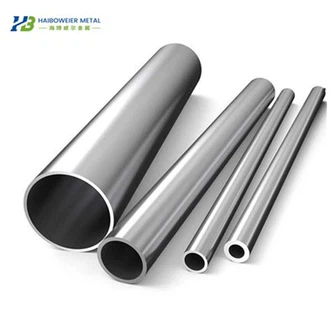
Comparison Of Titanium Alloys And Traditional Steel in Petroleum Equipment
Petroleum equipment operates under high pressure, high temperature, and strong corrosive environments. Material selection directly impacts equipment performance, lifespan, and economic benefits. Titanium alloys, with their high strength, corrosion resistance, lightweight, and excellent machinability, are gradually replacing some traditional steel applications in petroleum equipment. Compared to traditional steel, titanium alloys not only meet the requirements of harsh environments but also reduce maintenance costs and downtime risks, improving equipment reliability. A comparison of mechanical properties, corrosion resistance, machinability, and economic benefits provides a clearer understanding of the advantages and application potential of titanium alloys in petroleum equipment.

Comparison of Mechanical Properties
Mechanical properties are a crucial indicator for material selection in petroleum equipment. Titanium alloys and steel exhibit significant differences in this aspect:
- Strength: Titanium alloys have a higher specific strength under the same conditions, enabling them to withstand higher pressure and impact loads.
- Toughness: Titanium alloys maintain good toughness in both low and high temperature environments, reducing the possibility of fatigue failure.
- Lightweight: Titanium alloys have a lower density than steel, reducing the overall weight of the equipment and lowering installation and transportation costs.
- Creep Resistance: Under high-temperature, long-term operating conditions, titanium alloys exhibit greater dimensional stability, while steel is prone to creep deformation.
- Fatigue Resistance: Titanium alloys perform exceptionally well under prolonged repeated loads on offshore platforms or high-pressure pipelines, while steel has a relatively shorter fatigue life.
These superior mechanical properties make titanium alloys suitable for critical components such as high-pressure pipelines, valves, pumps, and offshore platforms.
Corrosion Resistance Comparison
Corrosion resistance is a core requirement for the long-term stable operation of petroleum equipment, and titanium alloys demonstrate significantly better performance than traditional steel:
- Seawater Corrosion Resistance: Titanium alloys can be used for extended periods in seawater and salt spray environments, while ordinary steel requires anti-corrosion coatings.
- Acid and Alkali Corrosion Resistance: In chemical and oil refining processes, when exposed to corrosive media such as sulfuric acid and hydrochloric acid, the corrosion rate of titanium alloys is much lower than that of steel.
- Surface Oxide Film Protection: The self-formed oxide film of titanium alloys is stable and reliable, reducing maintenance requirements, while steel requires regular anti-corrosion treatment.
- Corrosion Resistance of Welded Joints: Titanium alloy welded joints maintain good corrosion resistance, while steel welds are prone to corrosion.
- Extended Service Life: Corrosion resistance reduces the frequency of equipment replacement and maintenance, improving economic efficiency.
Excellent corrosion resistance makes titanium alloys widely used in offshore platforms, pipelines, and chemical plants, enhancing equipment safety and reliability.
Processing Performance and Application Flexibility
Processing performance affects the difficulty and cost of equipment manufacturing. Titanium alloys and steel differ in the following ways:
- Processing Methods: Titanium alloys can be formed into complex parts through welding, machining, and cutting, while steel processing is mature and less expensive.
- Shape Diversity: Titanium alloys are suitable for pipes, plates, bars, and irregularly shaped parts, meeting the design requirements of complex equipment.
- High-Temperature Performance: Titanium alloys maintain stable mechanical properties at high temperatures, while steel may soften or creep.
- Maintenance Convenience: The corrosion resistance and high strength of titanium alloys reduce maintenance frequency, while steel has higher requirements for corrosion prevention and maintenance.
- Recyclability: Titanium alloy materials are recyclable, with better environmental performance than steel.
Titanium alloys offer flexible processing and wide applications, adapting to the complex manufacturing requirements of petroleum equipment while reducing long-term maintenance burdens.
Economic and Safety Benefit Comparison
Although the initial investment in titanium alloys is higher than that of traditional steel, they demonstrate significant advantages in long-term operation. Extended equipment lifespan, reduced maintenance costs, and decreased downtime risk result in overall economic benefits superior to steel. The high strength and corrosion resistance of titanium alloys improve operational safety, reduce the probability of accidents, and ensure personnel and environmental safety. By comprehensively considering performance, lifespan, and maintenance costs, titanium alloys demonstrate high cost-effectiveness and long-term value in petroleum equipment.
Titanium alloys, with their superior mechanical properties, strong corrosion resistance, flexible processing, and long-term economic and safety benefits, exhibit significant advantages in petroleum equipment. Compared to traditional steel, they have irreplaceable application value in critical components such as offshore platforms, chemical plants, and high-pressure pipelines, providing enterprises with reliable, efficient, and sustainable solutions.