The Role Of Titanium in Jewelry
In the traditional jewelry industry, gold, platinum, and silver have always been the primary materials. These precious metals possess characteristics such as good stability and a soft luster, and have formed a mature market system over a long period of development. However, with changing consumer aesthetics and increasing demands for personalization, jewelry materials have become more diversified. People are not only concerned with appearance but also with wearing comfort, durability, and material safety. Against this backdrop, titanium has gradually entered the jewelry field and become a highly regarded new material.
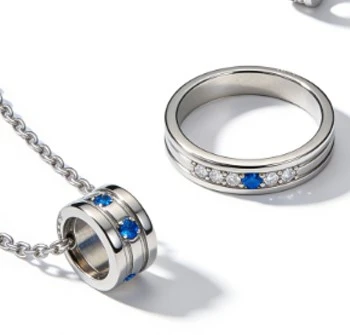
Titanium was initially widely used in aerospace, medical, and industrial fields. Its high strength, low density, and excellent corrosion resistance make it a representative of high-tech materials. When this material was introduced into the jewelry industry, it brought a different design style and wearing experience compared to traditional precious metals. Titanium is not only lightweight but can also achieve various color effects through special processes. It is also skin-friendly and suitable for long-term wear. Because of these characteristics, titanium plays an increasingly important role in modern jewelry.
Outstanding Material Properties
Titanium itself possesses several excellent properties.
· High Strength
Titanium is stronger than many traditional metals, making it more robust for the same volume.
• Low Density
Titanium weighs approximately 60% of steel, significantly lighter than most precious metals.
• High Stability
It forms a protective oxide film in the air, making it resistant to chemical reactions.
These properties provide a solid structural foundation for jewelry.
High Wearing Comfort
• Lightweight
Titanium jewelry feels almost weightless when worn, making it more comfortable for extended periods.
• Skin-Friendly
Titanium is relatively gentle on the skin and unlikely to cause irritation.
• Good Temperature Adaptability
It does not produce a noticeable feeling of cold or heat due to changes in ambient temperature.
Lightness and comfort are crucial factors for modern consumers.
Rich Color Range
Unlike traditional precious metals, titanium can exhibit a variety of colors through surface oxidation treatment. This color is not achieved through a coating but rather through optical effects created by varying the thickness of the oxide film. Therefore, the color is more stable and less prone to fading. From dark gray to blue, purple, and even gold, titanium can display a diverse range of visual effects. This unique color variation provides designers with more creative space and meets individual needs.
Strong Corrosion Resistance
Excellent Oxidation Resistance
A natural protective layer forms on the titanium surface, effectively preventing oxidation.
Resistant to Sweat
Sweat does not cause significant damage during daily wear.
Adaptable to Various Environments
Titanium remains stable in humid air and marine environments.
Corrosion resistance means jewelry can maintain its original condition for a long time.
Excellent Durability
Titanium is not easily deformed during long-term use.
Good Scratch Resistance
High surface hardness reduces scratches.
Not Easily Broken
Good toughness makes it less prone to breakage upon impact.
Long Lifespan
Stable structure, suitable for long-term wear.Durability is crucial for everyday jewelry
Enhanced Design Freedom
Titanium can be precision-machined into complex shapes. Its high strength allows for thinner structures without sacrificing stability. This makes designs lighter and more delicate. Furthermore, titanium, when combined with other materials, creates unique visual contrasts, providing more expressive possibilities for modern jewelry design.
Environmental and Sustainable Value
• Recyclable: Titanium is recyclable, reducing resource waste.
• Long Service Life: High durability means less frequent replacements.
• Low Maintenance: It is not prone to rust or corrosion, reducing maintenance costs.
These characteristics are particularly relevant in an era that emphasizes environmental protection.
The role of titanium in jewelry is constantly increasing. Its high strength and low density provide a lightweight yet robust structural foundation for jewelry. Its skin-friendly properties make it more comfortable to wear, reducing the risk of discomfort. Through special surface treatment techniques, titanium can also exhibit rich and stable color effects, breaking through the limitations of traditional precious metals' single-tone colors. At the same time, titanium's excellent corrosion resistance and durability ensure that jewelry maintains its appearance and structure over long-term use. This not only improves product quality but also enhances consumer confidence. At the design level, titanium provides greater space for creative expression, making jewelry both modern and personalized. With the trend of material diversification, titanium, with its multiple advantages such as lightness, strength, stability, and environmental friendliness, has become an indispensable and important material in the jewelry industry. It has changed people's perception of traditional jewelry materials and provided more possibilities for modern aesthetics.