


Titanium Alloy: The Core Material For Spacecraft Lightweighting
In the aerospace field, "lightweighting" is an eternal pursuit. Every kilogram of weight reduction can lower launch costs by millions of dollars and enhance payload capacity. Titanium alloy, with its lightweight, high strength, high-temperature resistance, and corrosion resistance, has become the core material for spacecraft lightweighting. From rocket engines to satellite frames, from manned spacecraft to deep space probes, titanium alloy is ubiquitous, driving aerospace technology to new heights through a "material revolution."
Unique Advantages of Titanium Alloy
Titanium alloy's dominance in spacecraft lightweighting stems from its three key advantages:
- Lightweight and High Strength: With a density only 60% that of steel but equivalent or higher strength, titanium alloy significantly reduces spacecraft weight while improving payload efficiency.
- High-Temperature Resistance: It maintains excellent mechanical properties at 500°C, making it ideal for high-temperature components like rocket engine combustion chambers and nozzles, ensuring stability under extreme conditions.
- Corrosion Resistance: Exceptional performance in space vacuum, radiation, and chemical corrosion environments extends spacecraft lifespan and reduces maintenance costs.
Application Cases in Spacecraft
The widespread use of titanium alloy in spacecraft validates its value as a lightweight core material:
- Rocket Engines: Used in combustion chambers and nozzles to withstand high temperatures and pressures while reducing overall weight, enhancing rocket thrust-to-weight ratio.
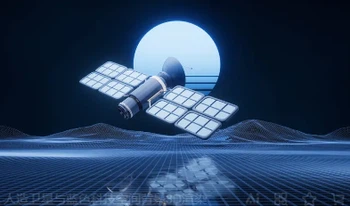
- Satellite Structural Components: Satellite frames and antenna brackets adopt titanium alloy to ensure stable operation in extreme environments and lower launch costs.
- Manned Spacecraft: The hull and internal structures utilize titanium alloy to reduce weight while improving safety and reliability, safeguarding astronauts.
Future Prospects
As technology advances, titanium alloy's role in spacecraft lightweighting will expand further:
- New Material Development: Alloy modification and nanotechnology will further enhance titanium alloy's strength and high-temperature performance, meeting higher demands for deep space exploration.
- Manufacturing Process Optimization: Advanced techniques like 3D printing and laser cladding will improve production efficiency and quality, reduce costs, and promote large-scale adoption.
Titanium alloy, as the core material for spacecraft lightweighting, has not only advanced aerospace technology but also reduced launch costs and improved payload capacity. With ongoing innovations in materials and manufacturing, it will play an even more critical role in future missions like deep space exploration, lunar landings, and Mars colonization. It is not just the key to unlocking spacecraft lightweighting but also the future engine for humanity's cosmic exploration, continuously leading the evolution of aerospace materials.


