How do titanium anodes protect rockets from corrosion?
In the magnificent journey of exploring the universe, rockets, as key tools for humanity to reach the stars, are of paramount importance in terms of performance and lifespan. However, during launch, flight, and storage, rockets face complex and harsh corrosive environments. From the scouring of high-temperature exhaust gases to the erosion of marine salt spray, each factor can potentially damage the rocket's structure and components. Among numerous anti-corrosion solutions, titanium anodes stand out with their superior performance, becoming the "invisible guardian" in the field of rocket corrosion resistance.

The Unique Advantages of Titanium Anodes: A Natural Barrier Against Corrosion
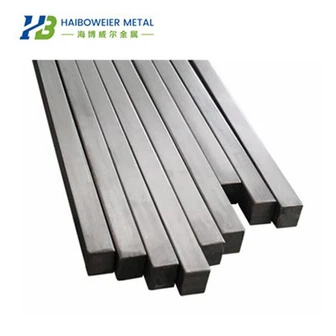
Titanium anodes use industrially pure titanium as the substrate, coated with a platinum group metal oxide coating. This unique structure endows them with strong corrosion resistance. Titanium itself naturally forms a stable, highly adhesive, and extremely protective oxide film in the air. This film acts like a "protective coat" for the titanium anode, effectively resisting the erosion of various corrosive media. The noble metal coating on the surface further enhances its corrosion resistance. Its stable chemical composition and crystal structure allow titanium anodes to maintain stable performance even in complex and ever-changing corrosive environments. Whether in high-temperature, high-humidity environments or in media containing corrosive substances such as chloride ions and sulfides, titanium anodes steadfastly perform their function, providing reliable protection for critical rocket components.
Addressing Diverse Corrosion Challenges: From Marine Salt Spray to High-Temperature Exhaust Gas
Rockets face the challenge of marine salt spray environments at launch sites. These high-temperature, high-humidity, and high-salt-spray conditions easily trigger crevice corrosion and galvanic corrosion in metal components. Titanium anodes, with their excellent corrosion resistance, effectively prevent these problems. Their surface oxide film and precious metal coating prevent the penetration of corrosive substances such as chloride ions, thus preventing crevice corrosion. Furthermore, when used in conjunction with other metal components, titanium anodes do not cause galvanic corrosion due to potential differences, ensuring the integrity and stability of the rocket structure.
During rocket launch, the high-temperature exhaust gas from the engine nozzle directly impacts the surface of the launch support system's load-bearing structure. The gas components in the exhaust gas can cause stress corrosion. The high-temperature stability and corrosion resistance of titanium anodes allow them to withstand the scouring of high-temperature exhaust gas, maintaining excellent performance even in extreme environments. Its surface coating will not peel off or fail due to high temperatures, continuously protecting rocket components and ensuring the rocket's safety and reliability during launch.
Extending Rocket Lifespan: Key to Reducing Maintenance Costs
Rocket manufacturing and maintenance are costly; extending their lifespan is a crucial way to reduce operating costs. The application of titanium anodes can effectively reduce damage and failure of rocket components due to corrosion, lowering the frequency of repair and replacement. Due to its strong corrosion resistance, rockets do not require frequent anti-corrosion treatments during long-term storage and use, significantly saving maintenance costs and time. Simultaneously, the stable performance of titanium anodes ensures the reliability and consistency of rockets in multiple launch missions, improving the overall performance and efficiency of the rocket.
Future Outlook: The Limitless Possibilities of Titanium Anodes
With the continuous development of aerospace technology, the requirements for rocket material performance are becoming increasingly stringent. As a material with excellent corrosion resistance, titanium anodes will play an even more important role in future rocket manufacturing. Its continuously optimized coating technology and manufacturing processes will further improve the performance and reliability of titanium anodes, meeting the increasingly demanding requirements of the aerospace environment. Meanwhile, the application areas of titanium anodes will continue to expand, from key rocket components to structural materials for other spacecraft.
On the path of space exploration, titanium anodes, with their unique advantages and superior performance, provide a reliable solution for the corrosion protection of rockets. Like a silent "invisible guardian," they safeguard the safe flight and long-term use of rockets. It is believed that in the future, titanium anodes will shine even brighter in the aerospace field, helping humanity realize its grander cosmic dreams.