


medical titanium
Medical metal materials, also known as surgical implant metal materials, are mainly used for diagnosis, treatment, and replacement or enhancement of human tissue. In the past 20 years, although the development of metal medical materials has been relatively slow compared with biomedical materials such as polymer materials, composite materials, hybrid and derivative materials, they have high strength, good toughness, resistance to bending fatigue, and excellent processing performance. It has excellent properties that cannot be replaced by many other types of medical materials, and is the most widely used load-bearing implant material in clinical practice. Especially with the development of metal 3D printing technology, metal medical materials have been more widely used. The most important applications are: fracture fixation plates, screws, artificial joints and dental root implants.
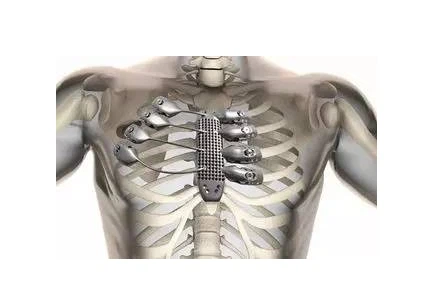
Medical titanium alloy
Medical titanium alloy (titanium-based alloy biomedical material) is one of the most biocompatible metals known so far. Since the 1940s, titanium and titanium alloys have been gradually used in clinical medicine. In 1951, humans began to use pure titanium to manufacture bone plates and bone screws. In the mid-1970s, titanium and titanium alloys began to be widely used in medicine and became one of the most promising medical materials. At present, titanium and titanium alloys are mainly used in orthopedics, especially in the rehabilitation of limb bones and skulls, for the manufacture of various fracture internal fixation devices, artificial joints, skulls and dura mater (Figure 1), artificial heart valves, teeth, gums, brackets, etc. sockets and crowns. Among them, the most widely used medical titanium alloy is GR5 (Ti-6A1-4V). The alloy has a ten-beta two-phase mixed structure at room temperature, and its strength and other mechanical properties can be significantly improved by solution treatment and aging treatment.
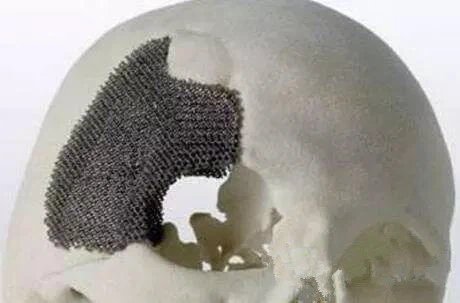

Figure 1 Medical titanium alloy skull medical shape memory alloy cardiovascular stent
The density of titanium and titanium alloys is about 4.5g/cm3, which is almost half that of stainless steel and cobalt alloys. The density is close to that of human hard tissue, and its biocompatibility, corrosion resistance and fatigue resistance are better than stainless steel and cobalt alloys. It is the best metal medical material at present. The affinity of titanium and titanium alloys with the human body stems from the fact that the dense titanium oxide (TiO2) passivation film on the surface can induce the deposition of calcium and phosphorus ions in body fluids to form apatite, showing certain biological activity and osseointegration ability. Strong, especially suitable for intraosseous implantation. The disadvantages of titanium and titanium alloys are low hardness and poor wear resistance. If wear occurs, it will first lead to the destruction of the oxide film, and then the corrosion products of the wear particles will enter the human tissue, especially the toxic vanadium (V) contained in the Ti-6A1-4V alloy will lead to the failure of the implant. In order to improve the wear resistance of titanium and titanium alloys, the surface of titanium and titanium alloy products can be treated with high-temperature ion ammoniation or ion implantation technology to enhance their surface wear resistance. In recent years, some new titanium alloys (mainly β-type alloys) have been developed, all focusing on reducing V, Al and other elements harmful to the human body, and effectively improving the biocompatibility of titanium alloys.


