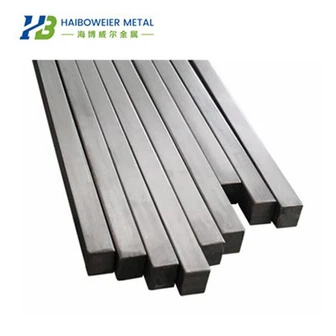
Nickel products in everyday life
In every corner of our daily lives, we find countless seemingly ordinary yet vital items. Nickel products are among these often overlooked yet indispensable items. Nickel, a metal with unique physical and chemical properties, is integrated into our lives in various forms, contributing to the convenience and quality of life.

Beautiful and Durable Decorations
Nickel is often used in a variety of decorative items, adding beauty to our lives. Nickel alloys are a common material in jewelry. Many fashionable necklaces, bracelets, earrings, and other accessories utilize alloys of nickel with other metals such as copper and zinc. This alloy not only possesses a silvery-white luster, resembling expensive platinum, but is also relatively affordable, making fashionable accessories accessible to a wider audience. For example, some simple silver-white bracelets made of nickel alloy are meticulously processed and polished to a smooth, radiant finish. Wearing them on the wrist creates a statement piece with both individuality and elegance. Nickel alloys are also corrosion-resistant, resisting rust or discoloration even when exposed to sweat, cosmetics, and other substances. They maintain their beauty over time, ensuring they accompany us for many years to come. In addition to jewelry, nickel is also used in home decor. For example, the addition of nickel to metal ornaments and picture frames adds a touch of class and modernity. Metal picture frames, for example, are crafted from nickel-containing alloys, resulting in a refined appearance and durability. Compared to wooden or plastic frames, metal frames highlight the importance and preciousness of photos, adding a touch of elegance to any home.
Efficient and Reliable Kitchen Utensils
Nickel products also play a vital role in the kitchen, the realm of culinary delights. Stainless steel is a common material for kitchen utensils, and nickel is a key component of stainless steel. The addition of nickel significantly enhances its corrosion and oxidation resistance. Many of our everyday pots, pans, and utensils are made of stainless steel. For example, stainless steel woks offer excellent thermal conductivity, distributing heat evenly and ensuring food is cooked evenly, preventing burnt or undercooked areas. Furthermore, the presence of nickel makes stainless steel woks resistant to the corrosion of various acids and bases found in the kitchen, such as vinegar and salt, making them rust-resistant and offering a long service life. Even after prolonged use and cleaning, stainless steel cutlery retains its pristine appearance, providing reliable protection for your cooking.
Stainless steel cutlery is a prime example of nickel products in the kitchen. Cutlery such as spoons, forks, and chopsticks are made of stainless steel, making them not only hygienic and easy to clean, but also highly durable. The presence of nickel makes stainless steel cutlery resistant to corrosion from food acids and oral saliva, unlike some common metal cutlery, which can rust or develop odors, ensuring a healthy and comfortable dining experience.
Indispensable electronic components
In the era of rapid technological advancement, electronic devices have become an integral part of our lives, and nickel products are widely used in this field. Nickel-cadmium and nickel-metal hydride batteries are common rechargeable battery types, playing a vital role in many small electronic devices. Nickel-cadmium batteries have high energy density and excellent charge and discharge performance, providing stable power to devices within a short period of time. For example, early portable camcorders, electronic toys, and other devices often used nickel-cadmium batteries as power sources. Although nickel-cadmium batteries have drawbacks such as memory effect, they remained a reliable power source under the technological conditions of the time. With continuous technological advancements, nickel-metal hydride batteries have gradually replaced nickel-cadmium batteries in some markets. Nickel-metal hydride batteries offer higher energy density, longer lifespan, and better environmental performance. They are widely used in modern electronic devices such as digital cameras, mobile phones, and laptops. For example, using nickel-metal hydride batteries in digital cameras allows for more photos, and their fast charging speed makes it convenient to recharge on the go. Furthermore, nickel-metal hydride batteries contain no harmful substances, making them more environmentally friendly and meeting modern society's environmental protection requirements.
Nickel is also used in components such as connectors and contacts in electronic devices. Nickel's excellent conductivity and wear resistance ensure stable transmission of electronic signals and reduce the occurrence of poor contact. For example, the contacts in mobile phone charging ports are made of nickel or nickel alloys, ensuring good contact even during frequent plugging and unplugging, ensuring that the phone can charge properly.
Nickel products, with their unique properties and wide application, are deeply embedded in every aspect of our daily lives. From beautiful and durable decorative items to efficient and reliable kitchen utensils to indispensable electronic components, nickel silently provides us with convenience and support.