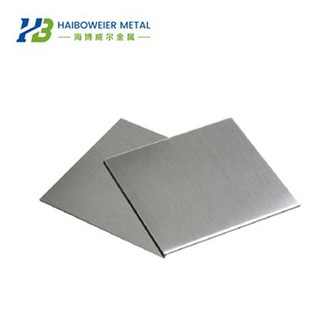
Chemical waste titanium plate processing
In the chemical industry, titanium metal is widely used in equipment manufacturing and reactor construction due to its excellent corrosion resistance and high temperature resistance. However, with the extension of the use time, the generation of waste titanium plates is inevitable. How to deal with waste titanium plates is not only related to the reuse of resources, but also directly affects environmental protection and the sustainable development of the industry. So, how should the waste titanium plates in the chemical industry be scientifically treated?

Recycling and reuse of waste titanium plates
Direct reuse:
For waste titanium plates in good condition and without serious corrosion or damage, they can be directly reused. These titanium plates can be used as raw materials to manufacture new chemical equipment or components.
Recoating repair:
For titanium plates with slight damage or corrosion on the surface, recoating technology can be used for repair. This includes cleaning, rust removal, grinding, and then spraying primer, midcoat and topcoat to restore the surface performance and aesthetics of the titanium plate. The recoated titanium plate can be put back into use to extend its service life.
Recycling and purification: For scrap titanium plates that cannot be directly reused, the titanium metal can be separated and purified by chemical or physical methods. The purified titanium metal can be used as raw materials to make new titanium products or used in other industries.
Professional recycling agencies handle scrap titanium plates
Choose a formal recycling agency: Choose a qualified and experienced scrap metal recycling agency for processing. These agencies usually have professional recycling technology and equipment to ensure that scrap titanium plates are safely and effectively recycled and processed.
Sign a recycling contract: Sign a recycling contract with the recycling agency to clarify the rights and obligations of both parties. The contract should include terms such as recycling price, recycling method, transportation method, delivery time, etc. to ensure the smooth progress of the recycling process.
Tracking recycling progress: During the recycling process, keep in close contact with the recycling agency and track the recycling progress. If necessary, you can assist the recycling agency in the classification, packaging and transportation of scrap titanium plates.
Environmentally friendly treatment of scrap titanium plates
Harmless treatment: For scrap titanium plates that cannot be recycled and reused, harmless treatment should be carried out in accordance with environmental protection requirements. This includes sending it to a designated waste disposal site for landfill, incineration or other environmentally friendly treatment.
Reduce environmental pollution:
In the process of processing waste titanium plates, effective measures should be taken to reduce environmental pollution. For example, use environmentally friendly cleaning agents and coatings, avoid the use of harmful chemicals; take anti-leakage and anti-pollution measures during transportation and storage.
Challenges and prospects of waste titanium plate processing
Although the processing technology of waste titanium plates is constantly developing, it still faces many challenges. First, it is difficult to recycle titanium metal, especially in waste titanium plates containing impurities, where titanium metal with higher purity is difficult to recycle. Secondly, a large amount of energy is required in the processing of titanium metal, which increases the processing cost. Therefore, how to reduce energy consumption while ensuring the processing effect is still a problem that needs to be solved urgently.
The processing of waste titanium plates in the chemical industry is a complex and potential process. Reasonable recycling, reprocessing, harmless discharge and the application of environmental protection technology can not only reduce resource waste, but also promote the sustainable use of titanium metal.