


What type of titanium anode is used in chemical electrolysis?
In the complex world of chemical electrolysis, electric current flows between the electrolyte and electrodes, catalyzing the formation of key products such as chlorine, caustic soda, and hydrogen. However, traditional electrode materials, such as graphite and lead alloys, often become "invisible shackles" restricting production efficiency due to poor corrosion resistance, short lifespan, and high energy consumption. The emergence of titanium anodes, like a "universal key," unlocks new possibilities for chemical electrolysis with their corrosion resistance, high catalytic activity, and long lifespan. From the chlor-alkali industry to wastewater treatment, from electrolytic hydrogen production to metal refining, titanium anodes are reshaping the efficiency boundaries of modern industry with their "materials black technology."
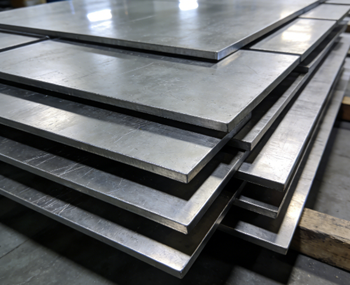
Corrosion Resistance: The "Steel Body" of Titanium Anodes
The chemical electrolysis environment is often fraught with "corrosion traps"-strong acids, strong alkalis, high salinity, and high temperatures-each condition enough to cause traditional electrodes to fail. Titanium anodes, however, use industrially pure titanium as a substrate, coated with a platinum group metal oxide coating, forming a dense "protective shield." For example, in the chlor-alkali industry, ruthenium-iridium titanium anodes can be immersed in high-temperature concentrated alkaline solutions for extended periods, with an annual loss rate of only 0.1 mm and a lifespan exceeding 6 years, more than 10 times that of graphite anodes. In sulfuric acid environments, the corrosion rate of tantalum-iridium titanium anodes is only 0.002 mm/year, 1/50th that of lead alloy anodes. This "immune to all poisons" characteristic makes titanium anodes a "perennial favorite" in the chemical electrolysis field.
High Catalytic Activity: The "Efficiency Engine" of Titanium Anodes
The key to electrolysis efficiency lies in reducing the overpotential of the oxygen and chlorine evolution reactions, thereby minimizing energy loss. Coating materials for titanium anodes, such as ruthenium, iridium, and tin, possess excellent electrocatalytic properties, reducing the overpotential by more than 0.5V. Taking water electrolysis for hydrogen production as an example, iridium-based titanium anodes in proton exchange membrane electrolyzers can increase hydrogen production efficiency to 75%, reducing the unit hydrogen production power consumption to 4.3 kWh/Nm³, saving more than 20% energy compared to traditional electrodes. In the electroplating industry, ruthenium-iridium titanium anodes can achieve a current density of up to 17 A/dm², twice that of lead anodes. This doubles production efficiency while maintaining coating uniformity within ±0.1 μm, meeting semiconductor-grade precision requirements.
Long Lifespan and Environmental Friendliness: The "Sustainable Gene" of Titanium Anodes
Frequent replacement of traditional electrodes not only increases costs but also poses environmental pollution risks. Titanium anode substrates are reusable, and coating wear only requires recoating at the factory, resulting in a lifespan of 5-10 years. For example, after upgrading to titanium anodes, a chlor-alkali plant reduced its electricity consumption per ton of caustic soda from 2400 kWh to 2100 kWh, saving over 5 million yuan annually in electricity costs. In electroplating wastewater treatment, titanium anodes increase heavy metal recovery rates to 99%, preventing secondary pollution. This "long lifespan + environmental friendliness" characteristic makes titanium anodes the "preferred solution" for green chemistry.
Scenario Adaptability: The "Universal Key" of Titanium Anodes
Chemical electrolysis scenarios vary widely, making the "customization" capability of titanium anodes a core advantage. In the chlor-alkali industry, ruthenium-titanium anode plates withstand high-temperature concentrated alkali, and 70% of the world's caustic soda production capacity relies on their stable operation. In seawater desalination, iridium-tin-titanium anodes resist biofouling, extending the life of reverse osmosis membranes by 40% and reducing power consumption per ton of water to 3.5 kWh. In the field of electrolytic hydrogen production, titanium anodes, combined with PEM electrolyzers, achieve a hydrogen production efficiency of 75%, helping to reduce the cost of "green hydrogen" to below 10 yuan/kg. From underground mines to the vast expanse of space, titanium anodes are covering the entire industrial chain, including chemical, energy, environmental protection, and high-end manufacturing, with their "scenario adaptability."
The future of chemical electrolysis belongs to efficient, durable, and environmentally friendly materials. With its corrosion resistance, high catalytic activity, and long lifespan, titanium anodes not only solve the pain points of traditional electrodes but also meet diverse needs with their "customization" capabilities. From reducing energy consumption to improving efficiency, from reducing pollution to extending equipment lifespan, titanium anodes are driving chemical electrolysis towards a green, intelligent, and sustainable direction with a "material revolution." Choosing titanium anodes is not just a technological upgrade, but a productivity revolution for the future.


