


Combination Of Titanium Industry Chain And Automotive Parts Industry Chain
The deep integration of the titanium industry chain and the automotive parts industry chain is not just a simple industrial collision, but also a profound reshaping of the future travel mode, making every car a work of art that harmoniously coexists between technology and nature. The deep integration of the titanium industry chain and the automotive parts industry chain requires comprehensive consideration of multiple factors such as technological innovation, cost control, market promotion, and policy support.
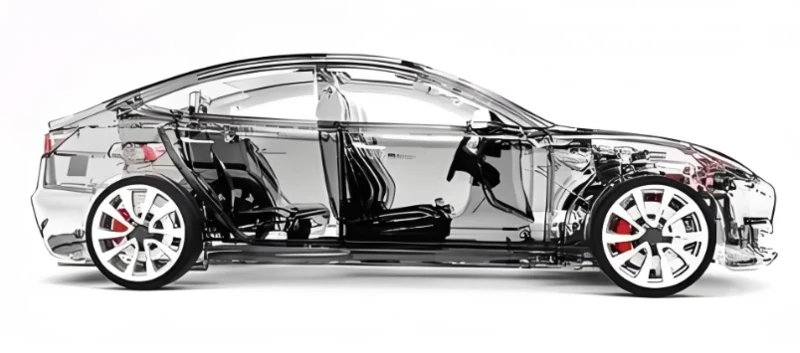
1. Technological innovation and R&D investment: Automakers and titanium alloy suppliers should increase R&D investment and jointly develop high-performance titanium alloy materials suitable for lightweight automobiles. Through material innovation, the strength, toughness and corrosion resistance of titanium alloys can be improved, while reducing their density to meet the higher requirements of automotive parts for material performance.
2. Cost control and optimization: The cost of titanium alloys is relatively high, which is one of the main factors restricting their widespread application in the automotive industry. By optimizing the production process, improving material utilization, and adopting advanced manufacturing technologies such as powder metallurgy and 3D printing, the production cost of titanium alloy parts can be effectively reduced.
3. Supply chain integration and collaboration: Establish a stable supply chain relationship to achieve efficient collaboration from raw material supply to production and manufacturing, logistics and distribution. Through supply chain integration, the cost of raw material procurement can be reduced, production efficiency can be improved, and product delivery cycle can be shortened.
4. Market promotion and brand building: Strengthen market promotion efforts, and improve the automotive industry's awareness and acceptance of titanium alloys by participating in industry exhibitions, publishing technical papers, and holding technical seminars. At the same time, establish a brand image and enhance the market competitiveness of titanium alloy parts.
5. Policy advocacy and utilization: Actively advocate national policy support for the application of new materials, and use policies such as energy conservation and emission reduction, new energy vehicles, etc. to promote the application of titanium alloys in the automotive industry. Through policy guidance, a good policy environment can be provided for the deep integration of the titanium alloy industry chain and the automotive parts industry chain.
6. Environmental protection and sustainable development: Emphasize the environmental protection characteristics of titanium alloys, such as recyclability and low environmental impact, combined with the automotive industry's demand for sustainable development. By promoting the application of titanium alloys, the overall environmental footprint of automobiles can be reduced and the green image of the automotive industry can be enhanced.
7. Technical training and education: Provide professional training on titanium alloy material characteristics and processing technology for automotive industry practitioners to enhance their understanding and skills in the application of titanium alloys. Through technical training, the professional quality of practitioners can be improved, and talent support can be provided for the application of titanium alloys in the automotive industry.
8. Standardized production and quality control: Formulate production standards and quality control systems for titanium alloy parts to ensure the stability and reliability of product quality. Through standardized production, production efficiency can be improved, defective product rates can be reduced, and product market competitiveness can be enhanced.
9. Demonstration projects and case promotion: Carry out demonstration projects to demonstrate the performance advantages and economic benefits of titanium alloy parts by applying them to some car models. Through the implementation of demonstration projects, experience can be accumulated to provide reference for the large-scale application of titanium alloys in the automotive industry.
10. Risk management and response strategies: Establish a risk assessment and management mechanism to deal with potential risks such as raw material price fluctuations and technological updates. Through risk management, the impact of uncertainty on the industrial chain can be reduced and the stable development of the industrial chain can be ensured.
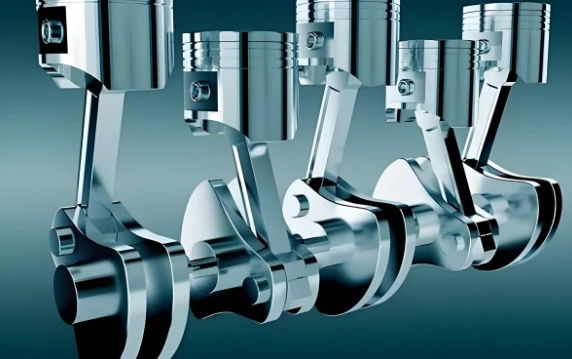
11. Cross-industry cooperation and exchanges: Strengthen cooperation and exchanges with other industries, such as aerospace, medical devices, etc., and learn from their successful experience in the application of titanium alloys. Through cross-industry cooperation, the application field of titanium alloys can be expanded and the overall competitiveness of the industrial chain can be improved.
12. Long-term strategic planning and investment: formulate long-term development strategic planning, and continuously invest and optimize the titanium alloy industry chain. Through long-term strategic planning, the sustainable development of the industry chain can be ensured to cope with market changes and industry competition.
The in-depth integration of the titanium industry chain and the automotive parts industry chain will be closer, which will help promote the lightweight, energy conservation and emission reduction and sustainable development of the automotive industry, and also provide a broader market space and development opportunities for the titanium alloy industry.


