


Detailed Overview Of Titanium Alloy Applications in The Defense Industry
In modern defense industries, the choice of materials directly impacts equipment performance, combat effectiveness, and service life. Titanium alloys, with their high specific strength, corrosion resistance, lightweight properties, and excellent high-temperature performance, have become a key material for various advanced weapon systems and strategic platforms. From aerospace vehicles and armored ground equipment to naval vessels and missile systems, titanium alloys play an irreplaceable role in core components. Understanding their application areas helps defense manufacturers optimize designs, improve performance, and reduce maintenance costs.
Aerospace Equipment Applications
In military aerospace, titanium alloys are essential for ensuring lightweight structures and high strength.
- Structural panels: Used for fuselage, wing frameworks, and skin panels, increasing strength while reducing weight.
- Critical engine components: Such as combustion chambers and turbine blades, capable of withstanding high temperatures and pressures.
- Hydraulic and fuel pipelines: Corrosion-resistant and high-temperature tolerant, ensuring safe and reliable power systems.
- Support and connection elements: Including brackets, struts, and fasteners, enhancing overall structural stability.
Armored Vehicles and Ground Weapon Systems
Titanium alloys are widely used in armored vehicles and ground weapon systems for lightweight armor and high-strength structural parts.
- Armor plates: Reduce overall vehicle weight while maintaining protection, improving mobility.
- Suspension systems and support rods: Enhance impact resistance and fatigue durability.
- High-strength pipelines and hydraulic fittings: Ensure reliable operation of weapon systems.
- Connection and fastening components: Titanium fasteners reduce wear and extend equipment service life.
Naval and Maritime Applications
In naval platforms, titanium alloys are primarily used for corrosion-resistant piping and high-strength critical components.
- Seawater cooling system pipes: Corrosion-resistant in saltwater, ensuring propulsion and auxiliary systems operate normally.
- Shipboard hydraulic systems: Used in rudders, propellers, and other core machinery for precise control.
- Fuel and gas pipelines: High-temperature and high-pressure tolerance ensures stable energy supply.
- Hull supports and frame components: Reduce weight while enhancing structural strength and fatigue resistance.
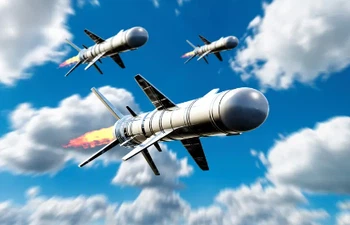
Missiles and Integrated Weapon Systems
Titanium alloys are critical in missiles and integrated weapons for core pipelines and structural components, improving operational performance.
- Propellant transfer pipelines: Corrosion-resistant and high-pressure capable, ensuring safe propellant flow.
- Structural support elements: Maintain stability of core components during launch and flight.
- Precision control and elastic elements: Preserve system responsiveness and operational accuracy.
- Long-term durability and maintenance benefits: High durability reduces replacement frequency, improving combat reliability.
With high specific strength, corrosion resistance, lightweight properties, and high-temperature tolerance, titanium alloys play an irreplaceable role in the defense industry. From aerospace vehicles, armored ground systems, and naval vessels to missile and integrated weapon systems, titanium alloys not only enhance equipment performance and structural reliability but also reduce long-term maintenance costs. They provide defense manufacturers with efficient, stable, and sustainable material solutions while delivering lasting strategic value and broad application potential.


