


The Potential Of Titanium Wire in Sports Protective Gear And Safety Equipment
In the field of sports protective gear and safety equipment, the two most important concerns are always protection effectiveness and user comfort. Traditional protective gear often compromises between these two aspects-either being heavy and sturdy but compromising flexibility, or lightweight and comfortable but offering limited protection. With the development of materials technology, titanium wire has begun to enter this field, gradually demonstrating new possibilities. Titanium itself is characterized by high strength, light weight, and corrosion resistance. When it is made into a fine filament structure, it can be more flexibly integrated into protective gear design, such as embedding it in fabric, forming a mesh structure, or serving as a skeletal support. This allows protective gear to move beyond simply being "thick" and "hard," achieving a balance of "lightweight yet supportive." For athletes, this means improved protection without significantly increasing the burden; for ordinary users, it means a more comfortable and durable user experience. Therefore, the potential of titanium wire is not just to replace materials, but to change the design philosophy of protective gear-from single-faceted protection to a comprehensive solution that balances lightweight, flexibility, and strength.
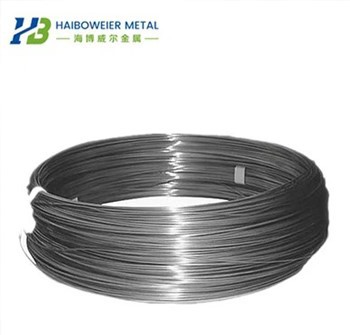
The Value of Titanium Wire in Protective Gear
· Lightweight Design for Enhanced Comfort
Titanium wire is lightweight, reducing the overall burden on protective gear and making it easier to wear for extended periods.
· Enhanced Local Support
Provides structural support in critical areas such as the knees, wrists, or spine.
· Improved Impact Resistance
Distributes force upon impact, reducing direct impact damage.
· High Corrosion and Sweat Resistance
Resistant to sweat and environmental factors, making it suitable for prolonged exercise.
· Extended Gear Lifespan
Less prone to deformation or breakage, ensuring stability even with frequent use.
These advantages combine to make titanium wire not only more protective but also improve the everyday user experience.
The Difference Between Titanium Wire and Traditional Protective Gear Materials
Traditional sports protective gear typically uses plastic, foam, steel plates, or ordinary metal structures. Each material has its advantages but also significant limitations. For example, while plastic and foam are lightweight, their protection under strong impacts is limited; steel plates, while sturdy, are heavy and less flexible to wear. In contrast, titanium wire offers a "middle ground": it's not as heavy as steel, yet provides sufficient support; it's not as soft and weak as foam, yet can disperse impact. This balance brings protective gear closer to the ideal state between "protection" and "comfort." This difference is especially noticeable in scenarios requiring prolonged wear or high-frequency activity.
Frequently Asked Questions about Titanium Wire Protective Gear
Q: Won't titanium wire protective gear be too stiff and affect sports activities?
A: No, titanium wire is usually in a fine structure or mesh form, providing both support and a degree of flexibility.
Q: Is this type of protective gear suitable for ordinary people?
A: Yes, especially for people who need to engage in prolonged sports or protect their joints.
Q: Does titanium wire really improve safety?
A: With proper design, it can disperse impact and improve overall protective effectiveness.
Q: Why isn't it more common in the market?
A: Mainly due to cost and manufacturing process limitations, it is currently mostly used in high-end or professional products.
A knee brace made of ordinary foam material may not provide effective joint support during strenuous exercise.
However, by incorporating titanium wire, it offers stable support during flexion and distributes pressure upon impact, without significantly increasing weight. This design is particularly suitable for running, hiking, or ball sports.
It's not simply about making the brace "harder" or "thicker," but rather about using the properties of the material to enhance protection while maintaining comfort. This change is especially important for people who engage in long-term exercise, as braces need to not only protect the body but also be wearable consistently. The value of titanium wire lies in ensuring that lightweighting doesn't sacrifice safety, durability doesn't add burden, and it opens up more design possibilities for sports equipment. For users, this change will ultimately translate into a more stable protective experience and a more comfortable user experience.


