


How Does Titanium Wire Improve The Lightweighting And Durability Of Sports Equipment?
In the development of modern sports equipment, "lightweighting" and "durability" are arguably the two most crucial aspects. Whether it's bicycles, tennis rackets, mountaineering gear, or professional training equipment, there's a constant pursuit of lighter, stronger, and more stable structures. Behind these changes, material upgrades play a decisive role, with titanium wire being an increasingly important component. Titanium itself is lightweight, high-strength, and corrosion-resistant. When processed into fine wires or structures, it can enhance the overall structural strength and stability without increasing volume. This is critical for sports equipment, which must withstand the impact of repeated use while minimizing the burden on the user. If the material is too heavy, it will affect speed and agility; if the material is too brittle or not durable enough, it will shorten its lifespan. Titanium wire strikes a balance between these two points, making it a key choice in high-end sports equipment.
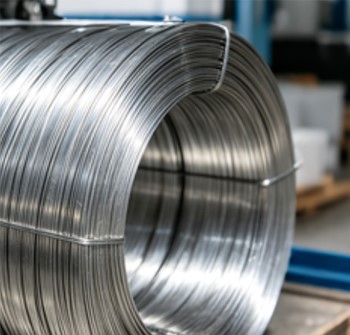
Five Direct Improvements from Titanium Wire
• Significant Weight Reduction: Titanium wire has a low density, allowing it to replace some traditional metals when used for structural connections or reinforcement, thus reducing overall weight.
• Increased Structural Strength: Despite its thinness, it boasts high strength, providing support and stability at critical stress points.
• Enhanced Fatigue Resistance: Less prone to breakage with repeated use, making it suitable for high-frequency sports equipment.
• Better Corrosion Resistance: Less susceptible to damage from sweat, rain, or environmental factors, making it suitable for outdoor sports.
• Increased Overall Lifespan: Reduced wear and deformation allows equipment to maintain stability for longer periods.
These improvements are not isolated but work together, making sports equipment lighter, more stable, and more durable in actual use.
Differences Between Titanium Wire and Traditional Metal Materials
Common materials in traditional sports equipment include steel wire and aluminum alloys. These materials each have advantages but also significant limitations. Steel wire is strong but heavy, increasing the overall burden with prolonged use; aluminum is lighter, but its strength is limited in fine structures, making it prone to fatigue under high-intensity use. In contrast, titanium wire is more like a "composite material": it's lighter than steel yet maintains strength close to or even better; it's more durable than aluminum and less prone to structural fatigue over long-term use. This difference is very noticeable in actual sports. For example, under high-intensity training or prolonged use, traditional materials may gradually deform or degrade in performance, while titanium wire structures remain more stable. This is why titanium wire is often used in high-end or professional-grade equipment to improve overall performance.
Questions about the use of titanium wire
Q: Does titanium wire really significantly reduce the weight of equipment?
A: Yes, especially when replacing traditional metals in structural components, the weight reduction effect is quite significant.
Q: Is titanium wire easy to break?
A: No, titanium has excellent fatigue resistance and is more stable under repeated use.
Q: Why isn't all equipment made of titanium wire?
A: The main reason is the higher cost and greater processing difficulty.
Q: Can ordinary users feel the difference?
A: The difference will be more noticeable under high-intensity or prolonged use; for example, it's lighter and less prone to damage.
The value of titanium wire in sports equipment lies not merely in being a "more advanced material," but in its ability to achieve a stable balance between lightweight design and durability. It allows equipment to reduce weight without sacrificing structural strength or experiencing rapid wear and tear over long-term use. This characteristic makes it particularly suitable for sports with high performance requirements. The changes brought by titanium wire are often not immediately apparent, but rather gradually manifested through prolonged use, such as a more stable structure, less wear and tear, and easier handling. This improvement in user experience is difficult to achieve simultaneously with traditional materials. Therefore, titanium wire is becoming an increasingly important choice for sports equipment seeking optimized performance.


