


What Military Components Are Suitable For Titanium Alloy Machining?
In the defense industry, material selection plays a decisive role in determining equipment performance, reliability, and service life. As modern systems evolve toward lightweight design, high strength, and adaptability to extreme environments, traditional metals often fall short of meeting these multidimensional requirements. Titanium alloys, known for their excellent strength-to-weight ratio, corrosion resistance, and environmental stability, have become a key material in military manufacturing. However, not all components are suitable for titanium alloys-their application depends on functional requirements, operating conditions, and manufacturing processes. Understanding where titanium alloys are most effective helps maximize their value in defense applications.
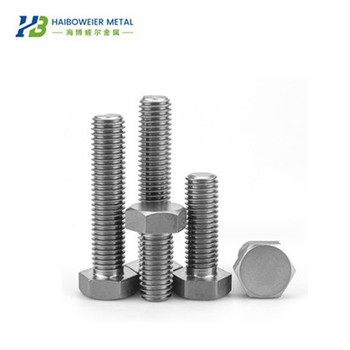
Aerospace Structural Components: Balancing Strength and Weight
Aircraft structures demand materials that combine durability with reduced mass.
- Titanium alloys are widely used in airframe structures, connectors, and load-bearing components, reducing weight while maintaining strength
- Maintain structural stability under complex stress and high-speed flight conditions
- Improve aircraft range and payload capacity
- Offer strong fatigue resistance for long-term operation
These characteristics make them one of the most mature application areas for titanium alloys.
Engine-Related Components: Handling Heat and Dynamic Loads
Engine components require materials that can withstand demanding conditions.
- Titanium alloys are commonly used in compressor blades, casings, and structural connectors
- Maintain good mechanical properties in moderate to elevated temperature environments
- Withstand centrifugal forces and vibration during high-speed rotation
- Help reduce engine weight and improve thrust-to-weight ratio
Within appropriate temperature ranges, titanium alloys provide clear advantages.
Weapon System Structural Parts: Strength and Durability
Military equipment requires high reliability under harsh conditions.
- Titanium alloys are used in certain structural parts and critical connectors in weapon systems
- Maintain stable performance under shock and vibration
- Provide strong corrosion resistance in complex operational environments
- Extend service life and reduce maintenance frequency
Their durability makes them valuable in critical components.
Naval and Specialized Equipment Components: Extreme Environment Performance
Harsh environments demand materials with exceptional stability.
- Titanium alloys are suitable for seawater pipelines, housings, and connectors
- Maintain excellent corrosion resistance in high-salinity and high-humidity conditions
- Ideal for specialized equipment requiring long-term environmental stability
- Show minimal performance degradation over extended service periods
- Improve overall system reliability
This environmental adaptability gives titanium alloys a strong advantage in specialized applications.
In the defense industry, titanium alloys are not universal materials but are selected for specific performance needs. Their use in aerospace structures, engine components, weapon systems, and naval equipment highlights their strengths in lightweight design, high strength, and corrosion resistance. With proper material selection and process optimization, titanium alloys can significantly enhance equipment performance and reliability. As technology continues to advance, their role in defense manufacturing will expand further, becoming an essential part of high-performance engineering solutions.


