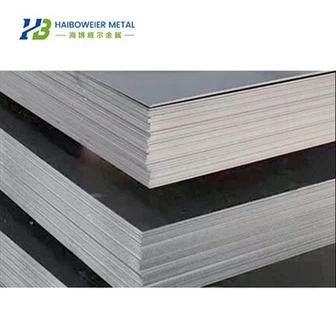
Why Does The Chemical Industry Choose Titanium Alloy Materials?
In modern chemical industries, production equipment and pipeline systems face harsh conditions of high temperature, high pressure, and strong corrosion. Choosing the right material directly affects not only production efficiency but also enterprise safety and cost management. Titanium alloys, with excellent corrosion resistance, lightweight characteristics, high strength, and outstanding machinability, have gradually become the preferred material for chemical equipment fabrication and maintenance. Understanding the advantages of titanium alloys in chemical applications helps companies optimize equipment design, enhance production stability and economic efficiency, and reduce long-term operational risks.

Corrosion Resistance and Service Life
During chemical production, equipment is exposed to acids, alkalis, salts, and various chemical media, making corrosion resistance critical.
- Resistance to multiple chemical media: Titanium alloys can withstand corrosion from sulfuric acid, hydrochloric acid, hydrofluoric acid, and chlorides.
- Self-healing oxide layer: The natural oxide film on the surface repairs minor damages automatically, extending service life.
- Reduced replacement frequency: High corrosion resistance minimizes wear and damage to components, reducing downtime.
- Adaptability to complex processes: Maintains stable performance under varying temperature and pressure conditions.
Lightweight and High Strength Advantages
Titanium alloys are not only corrosion-resistant but also lightweight and high-strength, providing opportunities for structural optimization in chemical equipment.
- Weight reduction: With a density of approximately 4.43 g/cm³, nearly half that of stainless steel, facilitating installation and handling of large equipment.
- High load-bearing strength: Ensures reliability in high-pressure pipelines, reactors, and heat exchangers.
- Impact and fatigue resistance: Withstands vibration, shock, and cyclic loads during long-term operation.
- Structural optimization: Lightweight properties allow designers to reduce support structures, lowering material costs.
Machinability and System Integration
Chemical equipment often features complex piping and modular structures, making titanium alloys' machinability a key advantage.
- Easy cutting, bending, and welding: Meets the fabrication requirements of complex pipelines, pump stations, and reactor internals.
- Customizable dimensions and shapes: Adapts to different equipment specifications, enabling system integration and modular design.
- Compatibility with multiple materials: Can be combined with stainless steel, aluminum alloys, and composites.
- Surface treatments enhance wear resistance: Sandblasting, anodizing, or coating can further improve corrosion and wear resistance.
Reduced Operating Costs and Enhanced Safety
The comprehensive advantages of titanium alloys improve equipment performance while effectively reducing long-term operating costs for chemical enterprises.
- Reduced maintenance frequency: High corrosion resistance and strength minimize equipment failure rates.
- Lower energy consumption and support requirements: Lightweight design reduces energy demand in pumping and transport systems.
- Improved production safety: Corrosion and high-temperature resistance reduce the risk of chemical leaks and accidents.
- Extended overall equipment lifespan: Long-term stable operation lowers replacement costs and prolongs service life.
With excellent corrosion resistance, lightweight properties, high strength, and versatile machinability, titanium alloys have become the preferred material for chemical equipment manufacturing and maintenance. From pipeline systems, reactors, and heat exchangers to pumps and auxiliary devices, titanium alloys enhance equipment performance and stability, reduce maintenance costs and operational risks, and provide chemical enterprises with efficient, safe, and long-term reliable solutions while delivering sustainable economic benefits and market value.