


Introduction to aerospace titanium alloy fastener materials
As one of the most important components in aerospace engineering, fasteners play a vital role in ensuring the safety and reliability of aircraft. Therefore, it is crucial to select the most suitable fastener material to guarantee its excellent mechanical properties and long-term performance under extreme conditions.
Fasteners in the aerospace field require special requirements such as high strength, light weight, corrosion resistance, high temperature performance and low temperature performance. Titanium alloy is one of the commonly used materials in the aerospace field and is favored for its high strength, low density, good corrosion resistance, and superior high and low temperature performance. Become the first choice for aerospace fasteners. The following are some of the most commonly used titanium alloy materials used in aerospace fasteners.
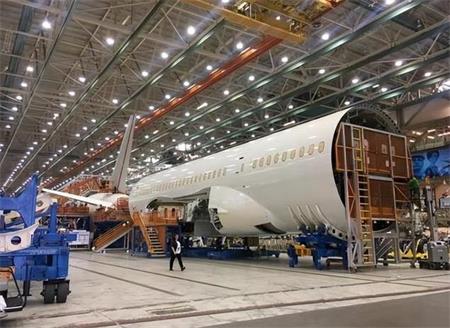
Ti-6Al-4V
Ti-6Al-4V (titanium-6% aluminum-4% vanadium), also known as grade 5 titanium, is one of the most common titanium alloys used in aerospace. Due to its high strength, excellent toughness and excellent corrosion resistance, it also maintains high strength in high temperature environments. It is the most commonly used titanium alloy for aerospace fasteners. Its strength-to-weight ratio is among the best and it performs well even at high temperatures. It also has good fatigue and wear resistance.
Ti-6Al-2Sn-4Zr-2Mo
Ti-6Al-2Sn-4Zr-2Mo (titanium-6% aluminum-2% tin-4% zirconium-2% molybdenum): is an alpha and beta titanium alloy, which is a type of alloy with high strength and fatigue resistance Titanium alloy is widely used in the manufacture of aerospace engines, aerospace fasteners and structural parts. to increase its toughness and strength. It has higher toughness and better creep resistance than Ti-6Al-4V, making it particularly suitable for aerospace applications.
Ti-10V-2Fe-3Al
Ti-10V-2Fe-3Al is another high-strength alpha and beta titanium alloy that is widely used in aerospace fasteners due to its excellent properties. It has excellent corrosion resistance, good weldability and is ideal for high stress aerospace applications.
Ti-6Al-6V-2Sn
Ti-6Al-6V-2Sn (titanium-4% aluminum-4% molybdenum-2% tin) is another alpha and beta titanium alloy with excellent strength and fatigue resistance, suitable for aviation in high temperature and high stress environments. Aerospace components. Such as engine parts, landing gear and structural parts. Its outstanding strength and excellent corrosion resistance make it particularly suitable for harsh environments.
Ti-5Al-2.5Sn (titanium-5% aluminum-2.5% tin) has high strength and corrosion resistance and is suitable for fasteners with high performance requirements in the aerospace field.
Beta-C (β-C) Titanium Alloy This type of titanium alloy maintains good strength and corrosion resistance at high temperatures. Often used to manufacture high-temperature parts, such as engine components.
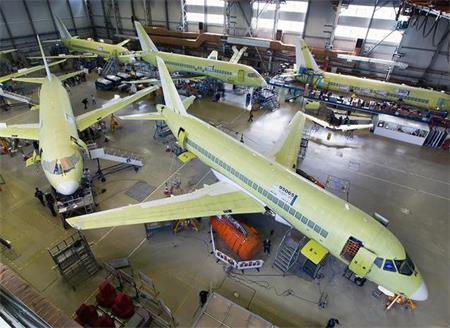
Ti-6Al-2Nb-1Ta-0.8Mo (titanium-6% aluminum-2% niobium-1% tantalum-0.8% molybdenum) has high temperature strength and corrosion resistance, and is suitable for fasteners in high temperature environments.
The materials used in aerospace fasteners play a vital role in ensuring the safety and reliability of aircraft. Titanium alloys are the most popular choice due to their high strength, excellent corrosion resistance and high temperature resistance. Among commonly used titanium alloys, Ti-6Al-4V, Ti-6Al-2Sn-4Zr-2Mo, Ti-10V-2Fe-3Al, and Ti-6Al-6V-2Sn are the most widely used materials and have excellent properties. Suitable for different aerospace applications.
Fasteners in the aerospace field usually require heat treatment and other processes to improve their performance. Choosing the right materials is critical to ensuring the performance and safety of aerospace systems. The appropriate titanium alloy material needs to be selected based on the specific application and requirements.


