Is titanium bulletproof?
Is titanium bulletproof? This is a topic of great concern. In the context of modern scientific and technological development, people have higher and higher requirements for the strength and protective performance of materials. Especially in the military and security fields, the search for lighter and more effective protective materials has always been a hot topic of research. As a metal with unique advantages, titanium has attracted widespread attention for its potential application in the field of bulletproof. So, does titanium really have the ability to be bulletproof? This article will explore in depth the characteristics, bulletproof applications, actual effects and future development trends of titanium.
I. Introduction to the physical properties of titanium
1> Lightweight and high strength: Titanium has a low density of about 4>5g/cm³, but its strength is very high, close to some steels.
2> Corrosion resistance: Titanium can maintain stability in a variety of environments, including seawater and chloride environments, which makes it usable in various climatic conditions.
3> Biocompatibility: Titanium has good compatibility with human tissues, which makes it also potentially applicable in the military medical field.
II. Application of titanium in the field of bulletproof
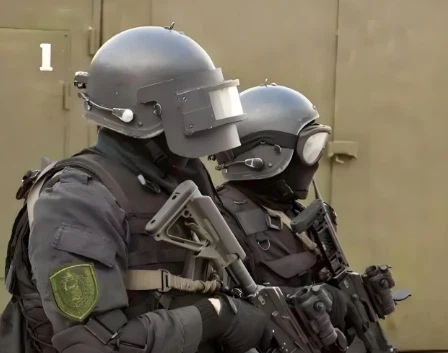
1> Bulletproof vest materials: Titanium alloys are used to enhance the protective ability of bulletproof vests and reduce the weight of soldiers due to their light weight and high strength.
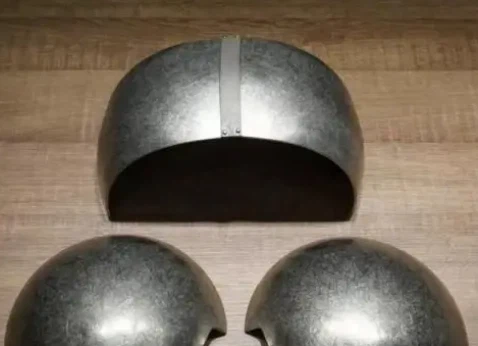
2> Vehicle armor: Titanium alloys are also considered for use in military vehicle armor to provide stronger protection without significantly increasing the weight of the vehicle.
3> Bulletproof glass: The addition of titanium alloys can improve the strength and impact resistance of bulletproof glass.
Here we need to make it clear that there is no absolute bulletproof material. No matter what kind of material it is, it cannot resist any form of attack 100%. Compared with general materials, titanium's high strength and good corrosion resistance make it an ideal protective material.
III. The actual effect of titanium bulletproof
1> Energy absorption: When titanium alloys are impacted by bullets, they can absorb and disperse energy through plastic deformation to reduce the risk of penetration.
2> Balance between weight and protection: Although the density of titanium alloys is lower than that of steel, its protective effectiveness to weight ratio may not be as good as that of steel, which limits its use in certain bulletproof applications.
3> Cost considerations: The production cost of titanium alloys is relatively high, which affects their application in large-scale bulletproof equipment.
The high strength of titanium enables it to withstand external pressure and impact. It has a high specific strength, that is, the strength performance per unit mass. This allows titanium products to provide better protection under the same weight conditions. Titanium also has good toughness, can absorb and disperse impact energy, and reduce the damage of external impact to the internal structure.
IV. Development prospects of titanium bulletproof
1> Technological progress: With the advancement of materials science and manufacturing technology, the bulletproof performance and cost-effectiveness of titanium alloys are expected to improve.
2> Composite materials: Composite materials composed of titanium alloys and other materials such as ceramics and aramid may provide better bulletproof effects.
3> Customized design: Through customized design, titanium alloys can better meet the needs of specific bulletproof applications, such as enhanced protection of specific parts.
V. Challenges and opportunities of titanium alloys
1> Manufacturing process: Titanium alloys are difficult to process, and more efficient manufacturing processes need to be developed to reduce costs.
2> Innovative applications: The application of titanium alloys in the field of bulletproof is not limited to traditional bulletproof vests and armor, but also can explore new usage scenarios.
3> Environmental impact: The mining and processing of titanium has relatively little impact on the environment, which meets the requirements of sustainable development.
Titanium is not without disadvantages. The cost of titanium is relatively high, and the manufacturing and processing process is relatively complicated. This makes the price of titanium products high and not suitable for large-scale applications. Secondly, titanium has a large density and is relatively heavy. In some specific occasions, lightweight may be more important, so it is necessary to choose according to specific needs.
As a potential bulletproof material, titanium has shown its advantages in areas such as bulletproof vests and military vehicle armor. Although titanium alloys are still facing challenges in terms of bulletproof performance and cost-effectiveness, with the development of technology and the innovation of new materials, titanium's bulletproof application prospects are broad. Through continuous research and development, we can expect titanium alloys to play a greater role in future bulletproof technology, providing lighter and more effective protection solutions for the military and security fields.