


Titanium alloy plate sandblasted surface and pickled surface
Titanium alloy plates are widely used in aerospace, medical and other industries. The surface treatment of titanium alloy sheets is a key factor in determining the functional characteristics and performance of the final product. The two most widely used surface treatment methods for titanium alloy plates are sandblasting and pickling. This article will take a closer look at both surface treatment methods, including their pros and cons and how they are used in different industries.
Titanium plate sandblasting surface treatment process:
Sandblasting is a process that uses a high-speed stream of abrasive particles, such as sand or glass beads, to remove surface contaminants and smooth rough surfaces. The sandblasting process can produce a variety of surface textures, including smooth, matte, or rough surfaces, depending on the size and shape of the abrasive particles used.
Titanium plate sandblasting surface advantages:
One of the main benefits of sandblasting is its effective removal of surface contaminants such as oil, grease, rust and paint, which can improve the adhesion of subsequent coatings or adhesives. Sandblasting can also create unique surface textures that enhance the visual appeal and texture of the final product. In addition, sandblasting can produce a micro-etching effect on the surface of titanium alloy plates, which can reduce the risk of crack propagation and improve the fatigue resistance of the material.
Disadvantages:
One of the main disadvantages of sandblasting is the creation of surface irregularities and microcracks, which weaken the mechanical properties of titanium alloy plates. Additionally, sandblasting is a relatively abrasive process that may result in surface roughness or material removal beyond required specifications. Sandblasting can also be a time-consuming and labor-intensive process that requires special attention to safety protocols to prevent damage to equipment or operators.
application:
The sandblasting process is widely used in the aerospace industry to prepare titanium alloy plate surfaces for bonding or coating applications. Surface preparation requirements for aerospace applications are often very stringent, with precise specifications for surface roughness, cleanliness and microstructure of titanium alloy plates. Sandblasting is also used in the medical industry to prepare titanium alloy implants for implantation. The surface of the titanium alloy must be carefully prepared to ensure that the implant is biocompatible and does not cause adverse reactions in the body.
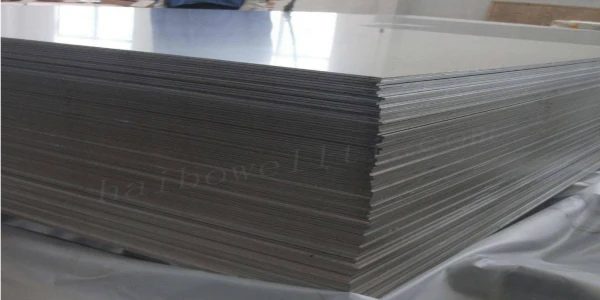
Pickling surface:
Pickling is a process that uses an acid and water solution to remove surface contaminants and produce a clean, smooth surface on titanium sheets. The acid used in this process can be hydrochloric or nitric acid, depending on the desired result.
What are the advantages of pickling the surface of titanium plates?
One of the main advantages of pickling is that it removes a variety of surface contaminants, including oxides, scale, and other impurities. The pickling process also produces a smooth, uniform surface without defects or irregularities. Additionally, pickling can be a relatively quick and simple process that requires minimal equipment and expertise.
Disadvantages:
One of the main disadvantages of pickling is that it consumes large amounts of acid, which can be expensive and not environmentally friendly. Additionally, pickling can produce surface roughness or pitting if acid concentration or exposure time is not carefully controlled. Finally, pickling can be a hazardous process and requires special attention to safety protocols to prevent skin or eye exposure.
application:
Pickling is commonly used in the automotive and chemical processing industries to prepare titanium alloy plates for bonding or coating. The pickling process is also used in the medical industry to sterilize titanium alloy implants or medical devices.
in conclusion:
In conclusion, surface treatment of titanium alloy sheets is a key aspect in creating high-performance products for a variety of industries. Sandblasting and pickling are the two most widely used surface treatment methods for titanium alloy plates, each with its own advantages and disadvantages. The choice of surface treatment method depends on the specific requirements of the application and the desired surface properties of the final product.


