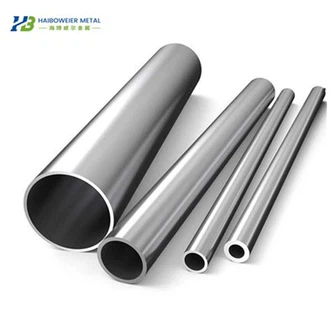
What is the difference between pure titanium (GR2) and titanium compounds (GR5)?
GR2 titanium material has high strength, high toughness, low density and excellent corrosion resistance. Few production processes, short cycle, high return rate, and low assembly cost. GR5 titanium alloy is a medium-strength secondary titanium alloy and is the most widely researched and used titanium alloy. Most fasteners are made from it. The production of titanium alloy fasteners requires hot heading and special equipment, which not only reduces material utilization but also affects production efficiency.
The difference between pure titanium GR2 and titanium alloy GR5
1. Chemical composition
Both materials contain iron carbon, nitrogen, hydrogen, oxygen, titanium and other components, but the former contains 99% titanium, while the latter contains some manganese, vanadium, aluminum, tin and other components.
2. Different hardness
The hardness of the former is HRC24-28, and the hardness of the latter is HRC32-36. Since the latter has high hardness and poor bending performance, it cannot be bent, while the former can.
3. Different performance
Due to different chemical compositions, the mechanical strength, tensile properties and high temperature and pressure resistance of the latter are better than those of the former.
4. Different corrosion resistance properties
Due to the addition of two precious metals, palladium and platinum, to the latter, titanium has stronger corrosion resistance in reducing acids such as sulfuric acid. Therefore, its consumption barrier in reducing acids such as sulfuric acid is due to the corrosion resistance of GR2. Has no effect on other media. For other media, their corrosion resistance does not have much impact.
5. Different prices
As can be seen from the performance description above, the price of the latter is higher than that of the former.
6. Differences in processing technology
GR2 is easier to process than GR5 and can be used for cold and hot processing, while GR5 is more difficult to process and usually requires special processing technologies such as high-speed cutting. In terms of use, these two materials are widely used in the manufacture of experimental equipment, aerospace industry, navigation industry, daily necessities, etc.