


Why are titanium tubes used in aircraft hydraulics?
When a passenger plane slices through the clouds, soaring through the sky at 900 kilometers per hour, the stable operation of its sophisticated hydraulic system is supported by a seemingly ordinary metal tube-a titanium tube. This component, only a few centimeters in diameter, is quietly rewriting the history of materials in the aviation industry with its outstanding performance in terms of lightweight, corrosion resistance, and high pressure resistance. From the Boeing 787 to the Airbus A380, the world's top aircraft models have unanimously chosen titanium tubes as the core component of their hydraulic systems. What technological secrets lie behind this?
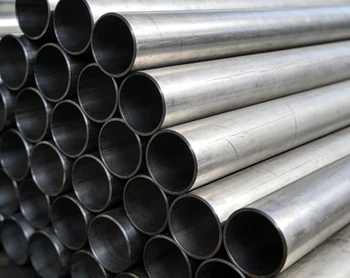
Lightweight Revolution: The Magic Material for "Slimming Down" Aircraft
In the aviation field, every kilogram of weight reduction means saving tons of fuel annually. Traditional hydraulic systems mostly use stainless steel or copper alloy tubing, but these materials have inherent limitations in terms of strength-to-weight ratio. The advent of titanium tubes has completely broken this deadlock-its density is only 57% of steel, yet it provides comparable tensile strength. Taking a new type of passenger aircraft as an example, replacing the hydraulic system pipes with titanium alloys reduced the overall weight by approximately 120 kilograms, equivalent to saving airlines over $200,000 in fuel costs annually. This "weight reduction and efficiency improvement" magic has made titanium pipes a "golden material" in the eyes of aerospace engineers.
Corrosion Resistance King: The Secret Weapon for Conquering Extreme Environments
Aircraft hydraulic systems are constantly exposed to harsh environments such as humidity, salt spray, and chemical media. Traditional pipes often show severe corrosion within 3-5 years. Titanium pipes, with their unique oxide film protection mechanism, exhibit astonishing corrosion resistance: after continuous immersion in a 3.5% sodium chloride solution for 4000 hours, there are no signs of corrosion, more than three times the corrosion resistance of 316 stainless steel. This characteristic extends the maintenance cycle of titanium pipe hydraulic systems to over 15 years, significantly reducing airline operating costs. More importantly, titanium pipes do not produce metal debris due to corrosion, eliminating the risk of hydraulic system contamination at the source and building the last line of defense for flight safety.
The King of Pressure Resistance: The Ultimate Choice for Challenging Extreme Operating Conditions
Modern passenger aircraft hydraulic systems operate at pressures exceeding 28 MPa, equivalent to bearing 280 kg of weight on an area the size of a fingernail. Titanium tubing, through its unique α+β dual-phase microstructure design, maintains high strength while possessing excellent toughness. A certain type of titanium alloy tubing exhibits tensile strength fluctuations of no more than 5% within a temperature range of -50℃ to 350℃, far superior to aluminum alloy materials. This "unaffected by cold or heat" characteristic allows titanium tubing to withstand both the low temperatures of takeoff and the high temperatures of the engine compartment, making it an "all-weather warrior" for hydraulic systems.
Hidden Value: System Optimization Beyond the Material Itself
The application of titanium tubing brings not only performance improvements to individual components but also revolutionary optimization to the entire hydraulic system. Its low thermal conductivity reduces hydraulic oil temperature fluctuations, improving system response speed by 15%; its perfect compatibility with carbon fiber composites solves the challenges of connecting dissimilar materials; and its smooth inner wall design reduces fluid resistance by 20%, further improving system efficiency. These seemingly minor improvements, when combined, ultimately translate into a significant leap in overall aircraft performance.
The Future is Here: Titanium Tubes Usher in a New Era of Aviation
From its initial tentative applications in military fighter jets to its current status as standard equipment on commercial airliners, titanium tubes have proven their irreplaceable value. Breakthroughs in advanced manufacturing technologies such as 3D printing and superplastic forming have reduced the production cost of titanium tubes by 40%, clearing the way for their large-scale application. It is foreseeable that titanium tubes will continue to play a crucial role in cutting-edge fields such as next-generation supersonic passenger aircraft and electric vertical takeoff and landing (eVTOL) aircraft, propelling the aviation industry towards a lighter, stronger, and safer future.
Imagine those silver tubes weaving between the wings and fuselage through the porthole-they silently safeguard every safe takeoff and landing with the unique strength and lightness of titanium. These tubes, only a few centimeters in diameter, carry not only the flow of hydraulic fluid but also humanity's relentless pursuit of the limits of flight. In the epic history of aviation materials evolution, titanium tubes have already written their own glorious chapter.


