Applications Of Titanium Alloys in Deep-Sea Mining Equipment
Deep-sea mining equipment operates under high pressure, low temperature, and strong corrosion environments, demanding extremely high material performance. Traditional metallic materials are prone to fatigue and damage under seawater corrosion and high pressure conditions, while titanium alloys, with their superior comprehensive properties, are gradually becoming an important choice in deep-sea equipment manufacturing. Their application not only improves equipment durability but also provides more reliable technical support for deep-sea resource development.

Performance Advantages of Titanium Alloys in Deep-Sea Environments
Titanium alloys possess excellent resistance to seawater corrosion and remain stable even in marine environments with high salinity. Their low density but high strength allows for weight reduction while maintaining sufficient load-bearing capacity. Facing the high-pressure environment of the deep sea, titanium alloys exhibit good resistance to deformation, maintaining structural stability over long periods. Furthermore, their strong fatigue resistance makes them less prone to cracking under repeated stress, making them suitable for mining equipment operating for extended periods.
Key Components in Deep-Sea Mining Equipment
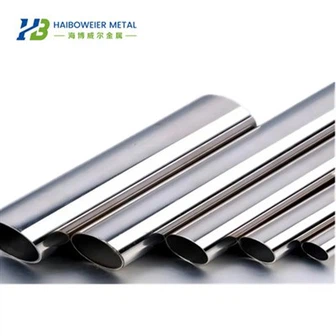
In deep-sea mining systems, titanium alloys are widely used in many key components. For example, the housing of mining machinery, conveying pipelines, and structural support components can all be manufactured using titanium alloy materials. The outer shell needs to withstand seawater erosion and external pressure, and titanium alloys provide reliable protection. The transport pipelines require wear resistance and corrosion resistance during mineral transport, and titanium alloys can extend their service life. The supporting structure relies on its high strength to ensure the overall stable operation of the equipment.
Key Points of Titanium Alloy Structural Design and Adaptation
In deep-sea equipment design, the application of titanium alloys needs to be adjusted in conjunction with structural optimization. Due to its relatively low elastic modulus, the stress areas need to be reasonably distributed during the design to avoid local stress concentration. Structural connections should be meticulously designed to ensure overall stability. For complex equipment, a modular structure can be adopted, allowing titanium alloy components to work in conjunction with other materials, thereby improving overall performance.
Application Strategies to Improve Equipment Reliability
When applying titanium alloys in deep-sea mining equipment, the following methods can be used to improve performance:
- Optimize material thickness design: Achieve lightweighting while ensuring strength.
- Strengthen surface treatment processes: Improve wear resistance and corrosion resistance.
- Rationally distribute stress structures: Reduce fatigue risks during long-term operation.
- Combining with composite materials: Enhancing overall performance and cost control.
- Regularly inspecting the condition of key components: Ensuring long-term stable operation of equipment.
These strategies help leverage the performance advantages of titanium alloys.
Application Prospects and Development Trends
With the increasing demand for deep-sea resource development, mining equipment places higher demands on material performance. The stable performance of titanium alloys in extreme environments expands their application space in future deep-sea equipment. With continuous advancements in processing technology and gradual optimization of manufacturing costs, titanium alloys are expected to replace traditional materials in more key components. Future deep-sea mining equipment will develop towards higher reliability and longer lifespan, in which titanium alloys will play an increasingly important role.
The application of titanium alloys in deep-sea mining equipment provides a reliable solution for coping with complex marine environments. Through reasonable design and optimized application, equipment performance and service life can be improved, providing a solid foundation for deep-sea resource development.