


Why Are Titanium Alloys Used in Marine Engineering Structures?
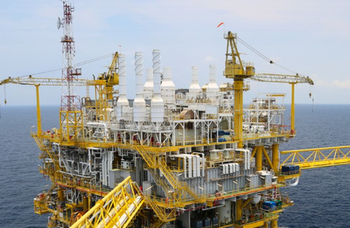
Marine engineering environments are complex and variable. Structural components are subjected to long-term high-salt, high-humidity, high-pressure, and highly corrosive conditions, placing extremely high demands on material performance. Traditional steel is prone to corrosion and fatigue damage in seawater, while titanium alloys, with their superior comprehensive properties, have gradually become an important material choice for marine engineering structural components. Their application not only improves equipment reliability but also helps extend service life.
Excellent Seawater Corrosion Resistance
Titanium alloys can form a stable and dense oxide film in seawater. This protective film effectively prevents further corrosion, allowing the material to maintain good condition even after long-term immersion. Compared to ordinary steel, which requires additional anti-corrosion coatings, titanium alloys have strong inherent corrosion resistance, reducing maintenance frequency and costs. This performance advantage is particularly significant in complex marine environments, ensuring the long-term stable operation of structural components.
High Strength and Lightweight Advantages
Titanium alloys have a high specific strength, which can significantly reduce structural weight while maintaining load-bearing capacity. For marine engineering equipment, weight reduction helps reduce installation difficulty and improves overall structural stability. In deep-sea equipment or large platforms, lightweight design can reduce foundation load, improve safety factors, and make engineering structures more efficient.
Excellent Fatigue and Impact Resistance
The marine environment involves wave impact and cyclic loads, requiring structural components to possess excellent fatigue resistance. Titanium alloys are less prone to cracking under repeated stress, maintaining a long service life. Simultaneously, their good toughness prevents brittle fracture under external impact, contributing to improved overall safety. This performance is crucial for long-term marine equipment operation.
Key Application Points of Titanium Alloys in Structural Design
In practical applications, rational design can fully leverage the performance advantages of titanium alloys:
lOptimize stress distribution structure: reduce stress concentration and improve overall stability.
lControl structural thickness and weight: achieve a balance between strength and lightweighting.
lImprove surface processing precision: enhance corrosion resistance and wear resistance.
lCombine with other materials: play a synergistic role in key areas.
lStrengthen connection design: ensure overall structural reliability.
Through these design measures, the performance of structural components can be further improved.
Application Prospects and Engineering Value
With the deepening development of marine resources, the requirements for material performance in marine engineering structural components are continuously increasing. Titanium alloys, due to their stability and durability, are increasingly being used in deep-sea equipment, offshore platforms, and subsea pipelines. As manufacturing processes continue to advance and costs are gradually optimized, they will play an even greater role in more marine engineering projects in the future.
The application of titanium alloys in marine engineering structural components provides an effective solution to corrosion and fatigue problems. Through rational design and material selection, structural safety and service life can be improved, providing solid support for the development of marine engineering.


