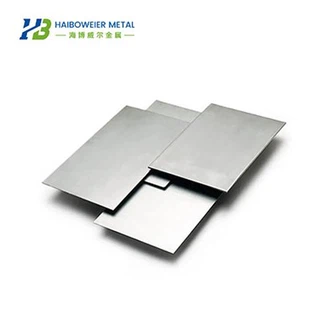
Why Choose Titanium For High Jewelry?
Traditionally, high jewelry is closely associated with gold, platinum, and diamonds-materials symbolizing rarity, expense, and classic appeal. However, with evolving design concepts, more and more jewelry brands are exploring new materials, with titanium gradually becoming a focal point. Titanium doesn't have the historical significance of gold, nor the inherent preciousness of platinum, but its unique physical properties and visual appeal have quietly propelled it into the core of high jewelry.
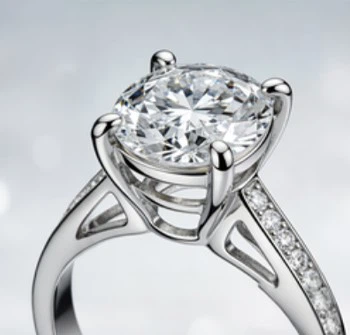
The emergence of titanium has opened up a lighter and freer path for jewelry design. It not only achieves color effects difficult to attain with traditional metals but also reduces weight while maintaining strength, making it more comfortable to wear. Furthermore, titanium possesses a strong modern feel, aligning with contemporary consumers' pursuit of individuality and innovation. Titanium doesn't replace traditional precious metals but rather serves as a complement, allowing for a more diverse and three-dimensional expression in high jewelry.
Why Choose Titanium?
Titanium is chosen for high-end jewelry primarily due to its advantages:
·Lightweight yet strong: Titanium weighs only about 60% of gold, yet boasts exceptional strength. This means jewelry can be made larger and more intricate without increasing the burden on the wearer.
· Rich color expression: Through oxidation treatment, titanium can display a variety of gradient colors, including blue, purple, and green, an effect difficult to achieve with traditional precious metals.
· High corrosion resistance: Titanium is virtually unaffected by sweat or air corrosion, making it ideal for long-term wear, especially for jewelry worn close to the skin, such as rings and earrings.
· Low allergenicity: Titanium is a highly biocompatible metal, widely used in the medical field, making it very friendly to people with sensitive skin.
· High design freedom: Due to its high strength, designers can achieve bolder shapes, such as ultra-thin structures or complex openwork designs.
Comparison with traditional precious metals
The unique value of titanium: Comparing titanium with gold and platinum provides a clearer understanding of its value. In terms of weight, gold and platinum are relatively heavy, which can limit the wearing experience in large jewelry designs, while titanium is much lighter. Secondly, regarding color, gold is primarily yellow, and platinum is silvery-white, offering limited variation. Titanium, on the other hand, can be crafted to display a variety of colors, resulting in a richer visual effect. Furthermore, while titanium itself is not expensive, its high processing difficulty means that its value in high-end jewelry lies more in craftsmanship and design than in the rarity of the material itself. In contrast, the value of gold and platinum depends more on the price of their raw materials. Finally, in terms of style, traditional precious metals tend towards classic and luxurious, while titanium is more modern and technological, suitable for expressing avant-garde design concepts. This difference also makes titanium an important medium for many designers to explore innovation.
Frequently Asked Questions
Q: Since titanium is not expensive, why is it used in high-end jewelry?
A: The value of high-end jewelry lies not only in the material itself, but also in the design, craftsmanship, and brand. Although titanium is inexpensive to produce, its processing is extremely difficult, requiring highly skilled craftsmanship.
Q: Won't titanium jewelry appear "not high-end enough"?
A: No. Conversely, titanium is often used to express unique designs and artistic sensibilities, and many high-end jewelry brands use it as a core material for their creative designs.
Q: Is titanium prone to discoloration or fading?
A: Titanium's color comes from variations in its surface structure, not a coating, making it resistant to fading and highly stable.
Q: Can titanium be used to set diamonds?
A: Yes, but the process is more complex and requires specialized expertise to secure the gemstones.
Applications of Titanium
The applications of titanium can be divided into several levels:
First Level: Structural Support
Titanium is often used in the internal structures of large jewelry pieces, such as intricate necklaces or headdresses, to make the overall structure lighter and more stable.
Second Level: Visual Primer
Some designers use titanium directly as the primary material, creating visual focal points through color variations, such as blue or purple gradient effects.
Third Level: Hybrid Material Design
Titanium is combined with materials such as gold and diamonds to create strong contrasts. For example: using titanium to create colorful petals; using diamonds for the stamen; and using gold for the border. This combination retains traditional luxury while adding a modern artistic touch.
Fourth Layer: A Vehicle for Artistic Expression
In some haute couture jewelry, titanium is used to represent natural elements such as feathers, butterfly wings, or floral structures because it allows for lightweight yet intricate designs.
Titanium is chosen by haute couture not because it is "more expensive," but because it offers "more freedom." It allows designers to break through the limitations of traditional materials, exploring more possibilities in weight, color, and structure. From wearing experience to visual effects, from craftsmanship challenges to artistic expression, titanium demonstrates a unique value. It is not a substitute for traditional precious metals, but a new language of expression, allowing haute couture to move beyond simply being "expensive" and instead focus more on "creativity and individuality." The significance of titanium lies in making haute couture jewelry lighter, bolder, and more aligned with contemporary aesthetics.