


Applications of Titanium Alloys in New Energy Vehicles
As a novel material for new energy vehicles, titanium alloys are gaining increasing popularity in the industry due to their superior performance. Previously, titanium alloys were perceived as expensive and difficult to process, but in today's era of lightweighting and performance-driven development, their value is being increasingly recognized, especially in several key systems of new energy vehicles.
First, the battery system.
The battery pack typically accounts for a quarter or more of the vehicle's weight. To improve range, weight reduction is essential. Titanium alloys are already being used in battery pack casings, module brackets, various fasteners, and thermal protection structures. Compared to the original steel frame structure, titanium alloys not only maintain sufficient strength but also reduce the vehicle's weight. This improves the overall range and enhances safety during collisions. Furthermore, it has excellent internal corrosion resistance, preventing rusting even after prolonged use in various environments, thus protecting the thermal cycling system of the new energy vehicle battery.
Chassis and body.
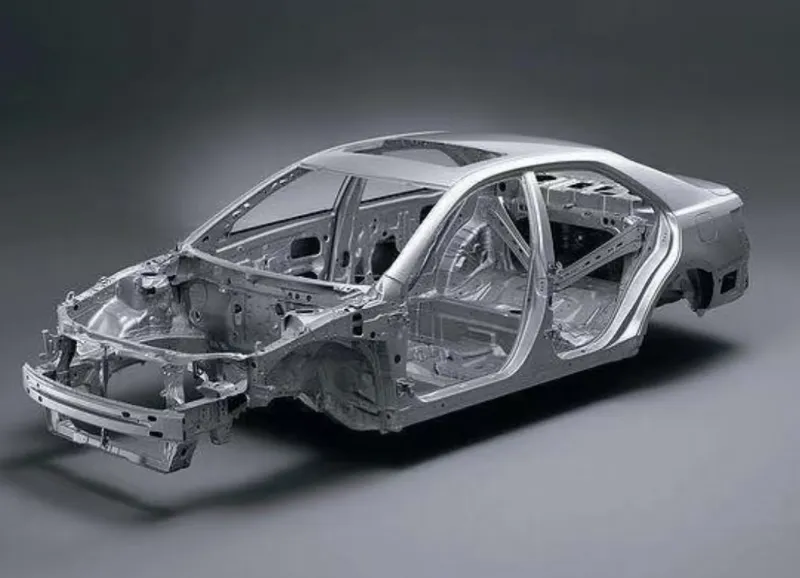
With the maturation of 3D printing and precision forming processes, titanium alloy components, previously only found in high-end racing cars or concept cars, such as steering knuckles, control arms, spring seats, and body connecting parts, are beginning to be mass-produced. The most direct benefit of using titanium alloys for these components is improved handling. In new energy vehicles, as the vehicle weight is reduced, the range increases accordingly. While the weight is reduced, it is still comparable to the lightness of steel, but the weight is more than half that of steel.
Conclusion:
Titanium alloy materials truly demonstrate their value in new energy vehicles, but the high cost is the biggest obstacle to large-scale application. Another major obstacle is the high level of processing technology required for its manufacturing. It is hoped that in the near future, as the technology and costs decrease, new energy vehicles will see increasingly widespread use of titanium alloys.


