Modern metal materials and their sustainable development and trends
Metal materials are an important pillar of the development of human civilization. From ancient copper and iron to modern alloys and composite materials, metal materials play an indispensable role in human production and life. This article will briefly review the development history of metal materials, introduce the main types and application fields of modern metal materials, and discuss the sustainable development and future trends of metal materials.

1. Early development of metal materials
In ancient times, people found relatively few types of metals, mainly including gold, silver, copper, iron, etc. The discovery and use of these metals played a key role in the progress of human civilization. For example, the invention of bronze ware brought mankind into the Bronze Age, while the emergence of iron ware greatly improved agricultural production and social construction.
2. Types and applications of modern metal materials
With the continuous advancement of science and technology, the types and properties of metal materials have been greatly expanded. Modern metal materials include stainless steel, aluminum alloys, titanium alloys, nickel alloys, cobalt alloys, etc. These materials are widely used in aerospace, automobile manufacturing, medical equipment, construction and other fields.
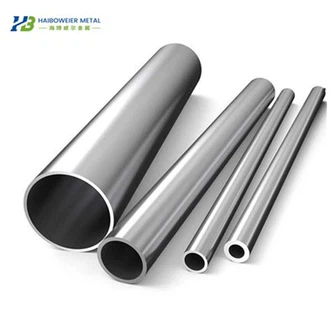
Stainless steel is one of the most widely used metal materials in modern industry. It has good corrosion resistance and beautiful surface quality. Alloys are lightweight and high-strength and are widely used in aerospace, automotive, construction and other fields. Titanium alloys have excellent corrosion resistance and high-temperature strength and are widely used in aerospace engines and chemical industries. Nickel alloys and cobalt alloys have excellent corrosion resistance and high temperature strength and are widely used in the petrochemical and energy fields.
3. Sustainable development and trends of metal materials
Faced with the increasingly tight resources and increasingly serious environmental problems, the sustainable development of metal materials has become the focus of global attention. The future development trend of metal materials will be mainly reflected in the following aspects:
⑴Resource recycling: With the increasing awareness of environmental protection, the recycling of metal materials has become an important direction for sustainable development. For example, recycling and reusing scrap metal can reduce dependence on natural resources and reduce environmental pollution. At the same time, the full life cycle management of metal materials is achieved by conducting research on waste resource utilization.
⑵ High-performance materials: With the continuous advancement of science and technology, the requirements for the performance of metal materials are also getting higher and higher. Therefore, the development of metal materials with higher strength, corrosion resistance and high temperature performance has become an important research direction. For example, through nanotechnology, composite strengthening technology and other means, the performance level of metal materials can be improved.
⑶ Green manufacturing: Green manufacturing refers to the manufacturing method that has the smallest impact on the ecological environment and the highest resource utilization efficiency throughout the entire product life cycle. In the production process of metal materials, the use of green manufacturing technologies, such as the use of clean energy, reduction of waste emissions and other measures, can reduce environmental pollution and improve resource utilization efficiency.
⑷. Intelligent manufacturing: Intelligent manufacturing is a highly automated and digital manufacturing method that can make the production process intelligent and flexible. In the processing of metal materials, the use of intelligent manufacturing technology can improve production efficiency and quality stability, while reducing labor costs and energy consumption.
⑸ Expand application fields: With the continuous advancement of science and technology and the development of society, the application fields of metal materials are also constantly expanding. For example, in the field of new energy, metal materials can be used to manufacture batteries, solar panels, etc.; in the field of biomedicine, metal materials can be used to manufacture medical devices, biological materials, etc. The expansion of these fields will further promote the development and application of metal materials.