


What are molybdenum-based materials?
Molybdenum-based materials are materials whose main component is molybdenum (Mo). Molybdenum (Mo) is a refractory metal with excellent mechanical, thermal and electrical conductivity properties. These unique properties make it an ideal material for a wide range of applications, including aerospace, electronics and power generation. Molybdenum-based materials have been extensively studied due to their excellent properties under harsh operating conditions. They have a series of unique properties and are widely used in many fields.
Molybdenum-based materials have several unique properties that make them suitable for specific applications. For example, adding tungsten (W) to molybdenum creates a refractory alloy that is resistant to high-temperature oxidizing environments. Additionally, when alloyed with rhenium (Re), molybdenum-based materials have excellent high-temperature strength and creep resistance. In addition, adding carbon (C) to molybdenum creates a ceramic compound (Mo2C) with high hardness, wear resistance and thermal conductivity.
Molybdenum (Mo) is a transition metal element with a high melting point (2623°C) and good heat resistance. Molybdenum-based materials are a type of alloys, compounds and composite materials, and their main component is molybdenum. Molybdenum-based materials can be prepared by alloying, powder metallurgy and other methods.

molybdenum-based materials :
High Melting Point and Heat Resistance: Molybdenum has an extremely high melting point and performs well in high temperature environments. Can be used to manufacture high-temperature components such as electrodes, ceramics and spacecraft parts.
Good thermal conductivity: Molybdenum has good thermal conductivity and is widely used in electronic components and noise.
High density: With molybdenum high density, it is suitable for some applications that require high density materials, such as light shields and aircraft convection panels.
Good mechanical properties: Molybdenum-based materials need to have high strength and stiffness for high-load applications.
Chemical resistance: Molybdenum is resistant to chemicals, making it suitable for use in corrosive environments.
molybdenum-based materials :
High cost: Molybdenum is a relatively expensive material, so it may not be economical in some applications.
Easy to break: Molybdenum is also brittle and easy to break, especially at low temperatures.
Increased weight: Molybdenum's high-density customization is not suitable in applications where lightweighting is required.
Characteristics of molybdenum-based materials
High temperature stability: They have a high melting point of about 2623°C, and molybdenum-based materials remain stable at high temperatures and are not prone to softening or oxidation. This makes them ideal for high temperature applications
Excellent electrical conductivity: Molybdenum is a good conductor of electricity and is suitable for electronic and electrical applications.
Radiation resistance: Molybdenum has strong resistance to radiation and is suitable for nuclear industry and aerospace applications.
Good workability: Molybdenum-based materials can be shaped, welded and cut in a variety of ways.
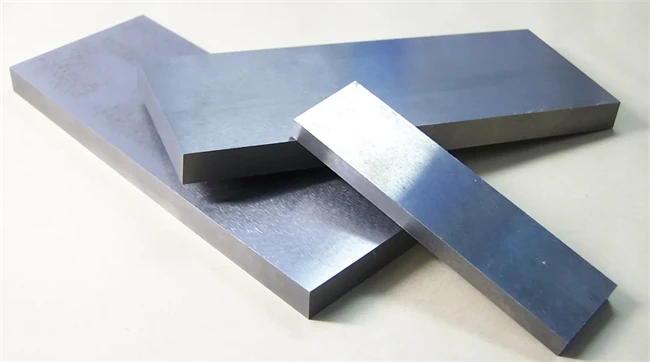
Due to the unique properties of molybdenum-based materials, they can be used in a wide range of applications.
Electronic components: Molybdenum used in the manufacture of electrodes, capacitors, electronic devices, semiconductor materials, etc.
Aerospace industry: Molybdenum-based materials are widely used in the manufacturing of spacecraft, rocket engines, aerospace engines, etc. Specifically, these materials are used in rocket nozzles, exhaust cones, and heat shields.
Thermal industry: Due to its high temperature resistance, molybdenum is used in equipment such as high-temperature insulation, vacuum furnaces and high-temperature industrial furnaces.
Nuclear industry: Molybdenum-based materials are also used in the nuclear industry due to their high melting points, which makes them ideal for use in high-temperature reactors and nuclear radioluminescent materials . In addition, molybdenum-based materials serve as neutron absorber rods to control the rate of nuclear fission.
Optical applications: Molybdenum is used to make components, lenses and filters.
Chemical industry: Molybdenum-based materials used in the manufacture of chemical reactors, electrodes and catalysts.
Electricity generation: Molybdenum-based materials are used to generate electricity due to their high electrical conductivity. Specifically, these materials are used in electrodes, vacuum tubes, transformers, and generator components.
Medical Implants: Molybdenum-based materials have excellent biocompatibility, which makes them ideal for use in medical implants. Specifically, these materials are used in pacemakers and other electronic implantable devices due to their high thermal and electrical conductivity.


