


What should I do if the nickel-titanium alloy plate is easy to bend?
Nickel-titanium alloy plates have been widely used in many industrial and medical fields, especially in situations requiring high elasticity, corrosion resistance and special shape memory. However, many people will also encounter the problem that nickel-titanium alloy plates are easy to bend. This situation may lead to a decline in material performance and even affect the quality of the final product. So, what should I do if the nickel-titanium alloy plate is easy to bend? Haibowell editor will discuss in detail from two aspects: solutions and preventive measures.
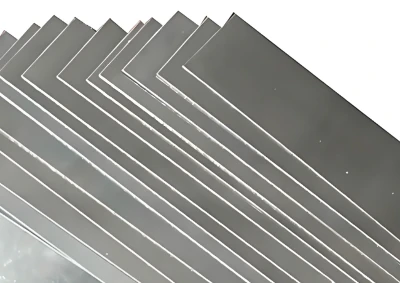
1. Solution
1) Heat treatment method:
By properly heat treating the nickel-titanium alloy plate, the stress inside the material can be eliminated, which helps to restore its original shape.
This method is suitable for bending caused by stress generated during processing.
2) Mechanical straightening method:
Use professional straightening equipment to mechanically straighten the bent nickel-titanium alloy plate.
This method can quickly and effectively solve the bending problem, but it is necessary to pay attention to safety and accuracy during operation.
3) Replacement of materials:
If the bending phenomenon is serious and cannot be repaired by the above methods, you may need to consider replacing a new nickel-titanium alloy material.
When selecting a new material, ensure that it has a good shape memory effect and anti-bending performance.
2. Preventive measures
1) Optimize processing technology:
Improve the processing flow of nickel-titanium alloy plates to reduce stress during processing.
Use appropriate processing tools and techniques to avoid bending caused by excessive force or improper operation.
2) Reasonable use environment:
Avoid using nickel-titanium alloy plates under extreme temperature or humidity conditions to reduce the impact of environmental factors on material properties.
Before use, ensure that the nickel-titanium alloy plates are in suitable environmental conditions to reduce bending caused by thermal expansion and contraction.
3) Regular inspection and maintenance:
Periodically inspect the nickel-titanium alloy plates in use to promptly detect and deal with bending and other problems.
Regular inspections include observing the appearance of the material, measuring the size, and checking the performance to ensure that the material is in good use.
4) Select the appropriate alloy composition:
Choose the appropriate nickel-titanium alloy composition ratio according to the specific application scenario and needs.
Different alloy composition ratios will affect the material's memory effect, superelasticity, and anti-bending properties.
5) Strengthen material management:
During storage and transportation, ensure that the nickel-titanium alloy plates are not squeezed or impacted by external forces.
Use appropriate packaging and transportation methods to protect the material from damage.
6) Training and guidance:
Provide training and guidance to personnel who use nickel-titanium alloy plates to improve their operating skills and awareness.
Through training, personnel can understand the characteristics of the material and precautions for use, and reduce bending problems caused by improper operation.
Solving the problem of easy bending of nickel-titanium alloy plates requires multiple aspects, including adopting appropriate solutions, strengthening preventive measures, and improving personnel's operating skills and awareness. The comprehensive application of these measures will help reduce the bending problem of nickel-titanium alloy plates and improve their service life and reliability.


