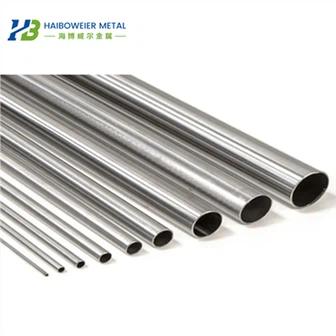
Performance characteristics and applications of titanium matrix anodes
Titanium and its alloys have excellent corrosion resistance, good electrocatalytic properties, high mechanical strength, long service life and other advantages. Titanium anodes using titanium as the substrate are widely used in the electrolysis industry. Let's take a look at the application of titanium-based anodes in various industries.

1. Chlor-alkali industry
In the chlor-alkali industry, as the electrolysis reaction continues in the ion membrane electrolyzer, due to the variable and complex environment of the anode chamber, the electrolyzer will continue to produce toxic and harmful substances Cl2, CI, CIO. As the temperature (85C) rises, the presence of these substances will aggravate the corrosion of the titanium anode plate. The gas-liquid circulation in the anode chamber will also severely scour the electrode and titanium plate. Once the ion membrane breaks, the cathode solution (acidic, alkaline) will flow into the anode chamber, causing severe corrosion to the titanium plate, and then causing the electrolyzer to leak and perforate. According to the morphology of ion tank corrosion, it can be seen that it mainly occurs in conductive coatings, gas-liquid separators, titanium plates and other places. Therefore, how to develop a highly corrosion-resistant ion membrane electrolyzer has become a top priority.
The anode chamber of the ion tank mostly uses titanium plates because the price of titanium metal in metal materials is much lower than that of nickel metal. While reducing costs, it produces the same benefits. Ensuring safe and reliable production and green environmental protection is the key to ensuring quality and quantity in industrial production. Titanium metal and its alloys have excellent corrosion resistance, strong passivation ability, easy to form a stable passivation film, hinder electron transfer, and provide guarantees in extending the service life of equipment, preventing leakage, improving production efficiency, energy saving and environmental protection.
2. Sewage treatment
Through the study of sewage treatment, it was found that biological processes are difficult to treat wastewater. The main problems are long treatment time cycle, low color removal rate, and difficult degradation. The electrochemical method has received widespread attention. It has the following advantages:
1) Functional diversity, that is, liquids and wastes can be treated by direct or indirect oxidation of organic compounds, metal reduction and electrodeposition.
2) The treatment process is simple, and it can be completed by simply inputting the control parameters of current and voltage.
3) High applicability, no reagents need to be added, and it can be completed only by ion exchange.
Titanium-based has high anodic corrosion stability and excellent physical and chemical properties. In sewage treatment, titanium metal is basically used as the matrix, that is, dimensional stability titanium anode, which can promote the reduction of total phenolic compounds, TOC, absorbance and toxicity. At the same time, it has the advantages of large specific surface area, strong catalytic ability, low loss, and strong stability under corrosion conditions. It has been widely used in the field of sewage treatment.
3. Metallurgical industry
Traditional lead alloy electrodes have high overpotentials. Oxide-coated materials (OCAs) can reduce battery voltage and improve the purity of lead alloy cathodes, so they are widely used as electrodes in the metallurgical industry. However, due to corrosion during the electrolysis process, the product is easily contaminated by lead, and the presence of high chlorides will restrict the use of lead anodes. With the issuance of energy conservation, environmental protection and carbon neutrality directives in my country, precious metals such as platinum, gold, palladium and lead alloy graphite electrodes as electrode materials are gradually being eliminated.

As research has found, Ti, Si-C, Al, and Pb can all be used as anodes. Ti, which is called "aluminum of the 21st century", has excellent comprehensive properties, such as low density, corrosion resistance, and high biocompatibility. It is the most commonly used anode (OCA, DSA) substrate. Titanium-based anodes have the advantages of low cost, high strength, low energy consumption, stable and efficient electrolytic electrode reaction, and are increasingly used in actual production.
4. Electroplating industry
The reason why titanium anodes are called dimensionally stable anodes (DSA) is that they have better corrosion resistance than lead anodes and graphite electrodes, and are not easy to react with electrolytic solutions during the electrolysis process to change their size and shape. This anode can meet the needs of different electroplating industrial applications, such as: electroplating extraction of metal zinc, cobalt, nickel, copper, acid copper plating to produce copper foil, printed circuit boards (PCBs), balanced anodes, trivalent electroplating of chromium, etc.
In the electroplating industry, titanium anodes generally consist of two parts: titanium metal substrate and active oxidation coating. Generally speaking, the base metal must have a single current carrying capacity, such as titanium (Ti), tantalum (Ta), zirconium (Zr), niobium (Nb), etc. The latter three are expensive, complex to process and have no use value. Therefore, Ti stands out with its simple manufacturing process, good corrosion resistance, high mechanical strength and low overpotential, becoming the most commonly used electrode metal matrix. Titanium anode is also a resource-saving and green-friendly material that meets the requirements of current national policies.
In summary, titanium anode is widely used in the above industries, and actual production and application are in a leading position in the current industry. Titanium anode has excellent corrosion resistance, good electrocatalytic activity, high efficiency, can adapt to various complex and changing working environments, low price, resource saving, service life of up to 5-10 years and no pollution to the environment.