


Process flow of titanium anode coating
Titanium anode is widely used in the field of electrochemistry because of its corrosion resistance, good conductivity and high mechanical strength. However, in order to further improve its performance and meet different usage requirements, coating treatment has become an important technology to improve the performance of titanium anode. Titanium anode coating can not only enhance its corrosion resistance and catalytic efficiency, but also improve the stability of the electrode and extend its service life. Through coating treatment, titanium anode can also maintain good performance in more complex working environments.
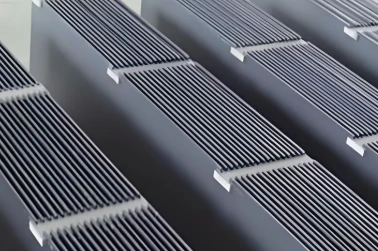
1. Preliminary preparation
1) Material selection and inspection:
Select a suitable titanium substrate as the basis for the coating to ensure that the surface of the titanium substrate is clean, scratch-free, bump-free, and meets the design requirements.
2) Liquid preparation:
According to the required coating composition (such as ruthenium, iridium, platinum and other precious metals), accurately weigh and prepare the corresponding precious metal solution. The liquid preparation process needs to be carried out in a clean and dust-free environment to avoid impurity contamination.
2. Surface treatment
1) Welding:
For titanium parts that need to be welded, argon arc welding is used for welding. Ensure welding quality and avoid the influence of welding defects on coating performance.
2) Sandblasting: Use a sandblasting machine to sandblast the surface of the titanium substrate to remove surface impurities and oxide layers, increase surface roughness, and improve the bonding strength between the coating and the titanium substrate. During the sandblasting process, ensure that the spraying is uniform and avoid missing spraying.
3. Coating preparation
1) Brushing or rolling: Brush or roll the prepared precious metal solution evenly on the surface of the titanium substrate. During the brushing or rolling process, ensure that the coating is uniform, free of bubbles, and without missing coating.
2) Drying: Put the coated titanium substrate into a drying furnace for drying, so that the coating dries quickly and is fixed on the surface of the titanium substrate. The drying temperature and time need to be adjusted according to the coating composition and process requirements.
3) Thermal oxidation: In a heating furnace, the coating is thermally oxidized to form a dense and hard metal oxide layer on the coating surface. The thermal oxidation temperature and time need to be adjusted according to the coating composition and process requirements.
4. Repeated coating and inspection
1) Repeated coating:
Depending on the process requirements, it may be necessary to repeat the brushing, drying and thermal oxidation processes several times to achieve the required coating thickness and performance.
2) Inspection and correction:
After each coating, the coating needs to be inspected to ensure that the coating is uniform and defect-free. If necessary, correction treatment is required.
5. Subsequent treatment and testing
1) Subsequent treatment:
Depending on the process requirements, the coating may need to be pickled, polished and other subsequent treatments to further improve the coating performance and aesthetics.
2) Testing and acceptance:
Performance tests are performed on the prepared titanium anode coating, including corrosion resistance, electrical conductivity, mechanical properties, etc. Only after the test is qualified can it be accepted and used.
6. Precautions
1) Environmental control:
During the entire process, environmental humidity, temperature, dust and other factors need to be strictly controlled to ensure the quality and performance of the coating.
2) Safe operation:
During the operation, protective masks, gloves and other safety equipment need to be worn to avoid harmful substances from causing harm to the human body.
3) Equipment maintenance:
Maintain and maintain production equipment regularly to ensure normal operation of the equipment and stable coating quality.
The successful production of titanium anode coating depends on precise process operation. Selecting appropriate materials and treatment methods is the basis for ensuring coating quality. Through meticulous surface treatment and coating formation, the stability and durability of the coating can be significantly improved. By continuously optimizing technology, we can meet the requirements of titanium anode coating in various application scenarios.


