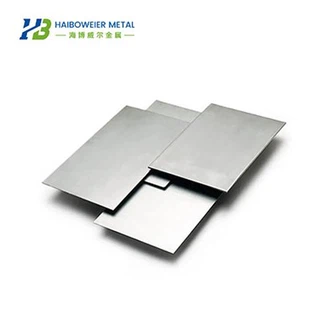
Titanium tee stamping methods and processes
Titanium tee stamping involves a series of steps to form a titanium plate into a T-shaped metal part. Titanium is a challenging material due to its high strength and low ductility, but stamping is a common method for forming it into various shapes. Titanium is now a popular choice for pipe components due to its excellent corrosion resistance, strength and lightweight properties. Titanium tees, also known as titanium tee connectors, are typically formed by stamping, a cost-effective manufacturing process that helps make titanium plumbing components affordable for both residential and commercial projects. The production process of titanium tee fittings is mainly through stamping, which belongs to the category of cold processing. The stamping of titanium tee fittings requires a series of processes such as blanking, stretching, punching, trimming, and forming. In this article, we will explore three stamping methods used to manufacture titanium tees: fill extrusion, hydrobulging, and the hot pressing and stamping process of titanium tee fittings.
1. Filling and extrusion molding
Fill extrusion is a process in which pre-drilled titanium tubes are filled with a special filler material (usually lead, aluminum or stainless steel). The two ends of the filled pipe are then clamped and inserted into a mold, where a hydraulic press is used to squeeze the filling material under high pressure to form a tee. This process is often used to create tees with complex geometries or varying wall thicknesses throughout the assembly.
2. Hydraulic bulging
Hydrobulging is a process in which a flat piece of titanium is first stamped into a cylindrical shape and then placed into a mold. A hydraulic press is then used to apply pressure to the inside of the cylinder, causing the material to bulge outward and take on the shape of the mold. The bulging process can be repeated multiple times to obtain the desired T-shaped shape and size. Although hydrobulging is slower than extrusion, it allows better control of wall thickness and is ideal for manufacturing thin tees.
3.Hot pressing
Hot pressing involves heating a titanium blank and placing it into a mold, then applying high pressure using a hydraulic press. This method is often used when making thick-walled tees or when the material needs to be formed into a specific shape. Unlike the other two methods, hot pressing requires more precision in temperature control and can be more time-consuming due to the heating and cooling process.
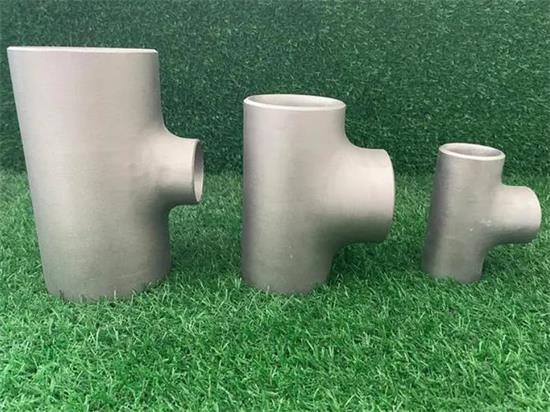
4. Non-metal die stamping method
The non-metallic die stamping method is a commonly used stamping method for titanium tee fittings. This process uses non-metallic material dies (such as nylon) and punches to stamp titanium plates. The main processes include blanking, deep drawing, punching, trimming, forming, etc.
Process steps:
⑴Blanking: Cut the titanium plate into the required size and shape according to the drawing requirements.
⑵ Deep drawing: Place the titanium plate on the non-metal material mold and press it tightly with a punch. Drawing depth and shape depend on the specific drawing die.
⑶ Punching: Use a punching die to punch holes at the connection between the branch pipe and the main pipe.
⑷Trimming: Use the trimming mold to remove excess material to form a smooth and neat shape.
⑸ Forming: Use a forming mold to form the titanium plate into a tee fitting.
5.Metal mold stamping method
Metal die stamping is another common method for stamping titanium tee fittings. This process uses metal dies and punches to stamp titanium sheets. Compared with non-metal die stamping methods, this method has higher accuracy and better processing efficiency. The main processes include blanking, deep drawing, punching, trimming, forming, finishing, etc.
Process steps:
⑴Blanking: Cut the titanium plate into the required size and shape according to the drawing requirements.
⑵ Deep drawing: Place the titanium plate on the metal mold and press it tightly with a punch. The depth and shape of the drawing depend on the specific drawing die.
⑶Punching: Use a punching die to punch holes at the connection between the branch pipe and the main pipe.
⑷Trimming: Use the trimming mold to remove excess material to form a smooth and neat shape.
⑸ Forming: Use a forming mold to form the titanium plate into a tee fitting.
⑹ Finishing: Smooth the surface of the tee fitting, remove any sharp edges, and polish the surface to make it look smooth and shiny.
Titanium tees are a popular choice for piping components due to their strength, lightweight properties and excellent corrosion resistance. By using stamping methods such as fill extrusion, hydraulic bulging, and hot pressing, titanium tees can be efficiently and cost-effectively manufactured to meet the needs of residential and commercial plumbing projects.
The processes for stamping titanium tee fittings mainly include non-metallic die stamping and metal die stamping. Both methods have their own advantages and disadvantages, and which method to choose depends on the specific production needs. The stamping process of titanium tee fittings requires high precision and accuracy. The quality of the final product depends on the precision of each process and the quality of the equipment used.