


What is the difference between CNC machining and traditional machining?
Computer numerical control (CNC) machining and traditional machining are two manufacturing methods that differ in many ways. While traditional machining involves manually operated machinery, CNC machining is automated and controlled primarily by computer software. With the continuous development of technology, there are increasing demands for precision machining in industrial manufacturing, so CNC machining is widely used. What is the difference between CNC machining and traditional machining? Let's discuss the difference between CNC machining and traditional machining.
1. is the level of accuracy that can be achieved. CNC machine tools are capable of performing complex tasks with high precision and consistency. Traditional machines, on the other hand, rely on the skill of the operator to precisely control the tool, leading to potential variations or human error. CNC machining is also more efficient because it can produce parts in less time and requires fewer operators than traditional machining.
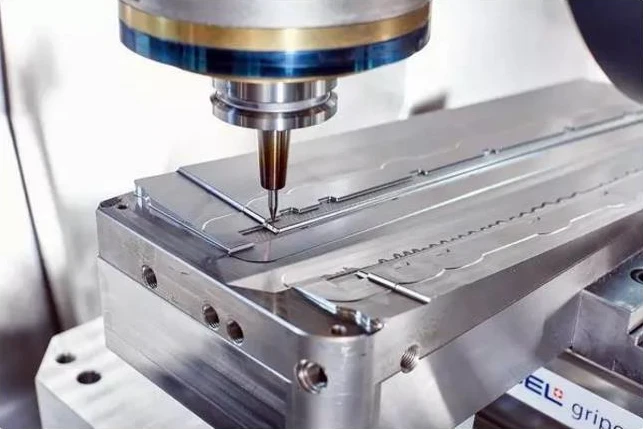
2. Is the level of flexibility in production. CNC machines allow for a high degree of customization and can easily produce an unlimited range of products. In contrast, traditional machines are often specialized for specific tasks and are less suitable for producing a wide range of parts. This makes CNC machining a more versatile option for manufacturers, as they can easily switch between different production runs and customize parts as needed.
3. Cost is also the main factor in choosing CNC machining and traditional machining. Although CNC machines are generally more expensive to acquire and maintain, they are a worthwhile investment due to their efficiency and precision. Traditional machines may cost less to purchase initially, but may cost more in the long run due to costs associated with labor and maintenance.
4. In terms of environmental impact, CNC machining is generally considered more environmentally friendly than traditional machining. This is because CNC machines produce less waste and use less material because they are designed to optimize the production process. Traditional machines, on the other hand, can generate large amounts of waste due to manual processes and material handling.
5. The processing technology is different. Compared with the traditional processing technology, the positioning reference, clamping method, tool, cutting and other aspects can be simplified. In addition, even if the same processing task is the same, there can be multiple solutions for the CNC processing process. This process has diversified characteristics, which is the most obvious difference between the two.
6. The difference between clamping and fixtures. Under traditional machining technology, due to the limited processing capacity of the machine tool itself, special fixtures are required for multiple clampings during processing, which results in high production costs for traditional machining. The positioning of the CNC machining process can be debugged by instruments and does not require special fixtures. So the cost is relatively low.
7. The selection of cutting tools is different. Compared with traditional machining, CNC machining technology has higher requirements on cutting tools. After using high-speed cutting, CNC machining improves the processing efficiency, while also ensuring the processing quality and effectively reducing the probability of cutting deformation. Shorten the processing cycle.
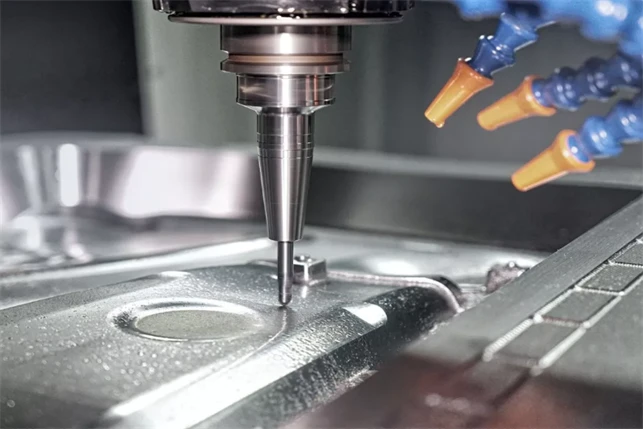
8. Processing method. The traditional machining process cannot be accurately controlled and is not easy to use. In CNC machining, the processing methods used have become feasible. In addition, in CNC machining, arc interpolation, post-processing and CNC trimming methods replace the filling method, empty tool method and trimming method of traditional hole positioning machining.
9. Different cutting parameters are different in the traditional machining process. When operating the machine tool, you often rely on your own experience, which is prone to errors. In order to reduce the scrap rate, the selection of cutting parameters is very important. CNC machining uses a control system to control the movement of the machine tool, and the machining process is controlled by a program.
On the basis of traditional machining technology, CNC machining technology has become the main development direction of the modern processing industry. It not only continues the current processing methods of CNC lathes and ordinary lathes, but also effectively absorbs the mature technology and processing methods of traditional machining processes, giving full play to the advantages of traditional machining.
While it may have a higher initial cost than traditional machining, in the long run it can bring significant benefits to manufacturers who prioritize efficiency, accuracy and sustainability.


