


Application Prospects Of Titanium Alloy Materials in Offshore Oil Engineering
Against the backdrop of continuously growing global energy demand, offshore oil engineering is gradually expanding into deep-sea and complex environments, placing higher standards on material performance. Titanium alloys, with their corrosion resistance, high strength, and excellent stability, demonstrate significant advantages in this field, gradually becoming important materials for key structures and core equipment, and their application prospects are therefore attracting considerable attention.
Stringent Requirements of the Marine Environment on Material Performance
Offshore oil engineering operates in high-salinity, high-humidity, and high-pressure environments for extended periods. Equipment must not only withstand seawater corrosion but also cope with complex stress changes and temperature fluctuations. These factors accelerate the aging and damage of traditional metal materials, thereby increasing maintenance costs and safety risks. Therefore, selecting materials with excellent corrosion resistance and stability is crucial, and titanium alloys have gradually gained importance in this context.
Applications of Titanium Alloys in Key Equipment
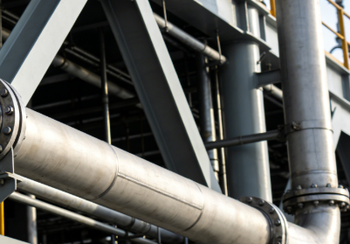
In offshore oil engineering, titanium alloys have been applied in several important areas, such as subsea pipeline systems, seawater cooling devices, and drilling platform structural components. These components require extremely high material reliability. Titanium alloys maintain stable performance over long-term use, reducing corrosion and wear, while improving overall equipment operating efficiency. In deep-sea environments, their pressure resistance also provides stronger safety assurance for the equipment.
Future Application Expansion Directions
With technological advancements, the application of titanium alloys in offshore oil engineering will continue to expand, especially showing greater potential in high-end equipment and intelligent equipment:
- Shells of deep-sea oil production equipment, improving pressure resistance and corrosion resistance
- Subsea transportation systems, extending service life and reducing maintenance frequency
- Key load-bearing structures of offshore platforms, improving overall stability
- Seawater treatment and circulation systems, improving equipment operating efficiency
- External structures of intelligent monitoring devices, enhancing environmental adaptability
These directions indicate that titanium alloys are extending from localized applications to a wider range of fields, driving offshore oil engineering to a higher level of development.
Impact of Cost and Technological Development
Although titanium alloys possess superior performance, their high cost and relatively difficult processing limit their large-scale application to some extent. However, with continuous optimization of smelting technology and processing techniques, production efficiency is gradually improving, and costs are gradually decreasing. This has led more companies to consider applying them to critical equipment, and this trend will further expand the application scope of titanium alloys in the industry.
Enhancement of Engineering Safety
In offshore oil engineering, equipment safety is directly related to production stability and environmental protection. Titanium alloys possess excellent fatigue resistance and structural stability, maintaining good condition under long-term complex loads, thereby reducing the risk of equipment failure and minimizing safety hazards caused by material failure. This is of great significance for ensuring the operation of the project and is one of the important reasons for its widespread attention.
Environmental Protection and Sustainable Development Advantages
With increasingly stringent environmental protection requirements, the environmental friendliness of materials is gradually becoming an important consideration. Titanium alloys are less likely to release harmful substances in seawater, and their corrosion resistance reduces the frequency of replacement, thereby reducing resource consumption. These characteristics give them a significant advantage in green marine engineering construction and align with the future direction of sustainable development.
Promoting Technological Upgrading in the Industry
The application of titanium alloys not only improves the performance of individual equipment but also drives the entire offshore oil engineering industry towards higher technological levels. By introducing high-performance materials, engineering structures can be made lighter and more efficient, while enhancing deep-sea operation capabilities, enabling marine resource development to reach deeper and farther areas, and providing strong support for the development of the energy industry.


