The difference between nickel-based alloy and nickel alloy
In modern industry, nickel alloys and nickel-based alloys are widely used in aviation, chemical industry, energy and other fields. Although these two types of alloys have similar names, their compositions, properties and application scenarios are significantly different. Understanding the difference between nickel-based alloys and nickel alloys is critical to choosing the right material. This article will detail the main differences between the two and help you better understand their characteristics and applications.
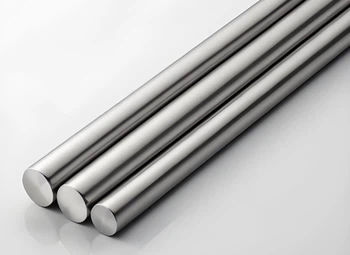
1. Definition of nickel alloy and nickel-based alloy
1) Nickel alloy: generally refers to materials with nickel as the main component and other metal elements (such as copper, chromium, molybdenum, etc.) added to enhance the alloy properties. Common nickel alloys include Monel, Inconel, etc. These alloys have good corrosion resistance and high temperature resistance.
2) Nickel-based alloy: It is a type of alloy that uses nickel as the basic element and contains a high proportion of other alloying elements (such as chromium, iron, cobalt, aluminum, titanium, etc.). Nickel-based alloys are characterized by excellent high-temperature properties, oxidation resistance and corrosion resistance, and are widely used in extreme environments, such as aerospace engines, gas turbines and other high-temperature and high-pressure working environments.
2. Differences in alloy composition
The main difference between nickel alloys and nickel-based alloys is their composition.
1) Nickel alloy: The nickel content is usually higher, usually above 90%. Although some other metal elements such as copper, chromium, iron, etc. are also added to improve the properties of the alloy, nickel is still the main component. Its uses focus more on corrosion resistance and mechanical properties.
2) Nickel-based alloys: The nickel content in alloys is not always the highest, and the types and proportions of alloy elements are more complex. Common alloying elements in nickel-based alloys include chromium, cobalt, aluminum, etc. The addition of these elements allows nickel-based alloys to exhibit excellent strength, hardness and oxidation resistance in high-temperature environments. Moreover, the types and contents of incorporated elements are different, resulting in different properties of nickel-based alloys. Nickel-based alloys are usually used in high-temperature and extreme environments, such as high-temperature corrosive environments such as spacecraft and nuclear power plants.
3. Performance differences
1) High temperature resistance
Nickel-based alloy: Its distinguishing feature is its excellent high temperature resistance. Due to the addition of chromium, aluminum, cobalt and other elements, nickel-based alloys can maintain high mechanical strength and stability in high-temperature environments. This makes nickel-based alloys ideal materials for high-temperature equipment such as aircraft engines and turbine blades.
Nickel alloy: Its high temperature resistance is weak. Although nickel alloy still shows good performance within a certain temperature range, its strength and oxidation resistance at extremely high temperatures are not as good as nickel-based alloys.
2) Corrosion resistance
Nickel alloy: Due to the good corrosion resistance of nickel, it is widely used in marine, chemical processing and other fields. The corrosion resistance of nickel allows nickel alloys to maintain stable mechanical properties in many harsh environments.
Nickel-based alloy: It also performs exceptionally well in terms of corrosion resistance, especially its resistance to oxidation and corrosion at high temperatures. This makes nickel-based alloys more suitable for corrosive environments at high temperatures, such as petrochemical, aerospace and other industries in high-temperature atmospheres.
3) Mechanical strength and hardness
The mechanical strength and hardness of nickel-based alloys are higher than that of nickel alloys, which allows them to perform better in working conditions that require high pressure and friction. For example, nickel-based alloys can withstand extremely high workloads in high-speed rotating turbine blades.
4. Differences in application fields
1) Nickel alloy applications
Nickel alloys are widely used in chemical equipment, marine engineering, petrochemical and other fields due to their excellent corrosion resistance and good mechanical properties. In these fields, nickel alloys mainly bear the functions of anti-corrosion and corrosion resistance, such as seawater pipelines, chemical reactors, etc.
2) Nickel-based alloy applications
Nickel-based alloys are mainly used in aerospace and high-temperature and high-pressure environments. They are used to manufacture aircraft engines, gas turbines, high-temperature components in nuclear power plants, etc., and can maintain stable performance in extreme working environments. The strength, corrosion resistance, and high-temperature capabilities of nickel-based alloys make them the material of choice in these applications.
Through the above comparison, we can see that there are significant differences in composition, performance and application between nickel-based alloys and nickel alloys. Nickel alloys are mainly based on nickel, focus on corrosion resistance, and are suitable for milder environments. Nickel-based alloys have excellent performance in high temperature resistance, oxidation resistance and mechanical strength, and are mainly used in extreme environments such as high temperature and high pressure. Which alloy to choose depends on the specific use needs and working environment.