


What is titanium bar electrochemical cleaning?
A common metal with numerous applications is titanium rod, titanium alloy rod, and GR5 titanium rod. During the assembling system, to work on its surface completion and style, electrochemical cleaning is normally required. Electrochemical cleaning is a top notch surface completing innovation normally used to work on a superficial level nature of titanium bar metal materials. Using an electric current and a chemical reaction solution, roughness and impurities from the metal surface are removed in this procedure. This article will give data about electrochemical cleaning of titanium bars, titanium amalgam poles, and GR5 titanium poles.
One of the critical benefits of electrochemical cleaning is its capacity to work on surface quality on complex shapes and difficult to-arrive at surfaces, which is great for titanium bars frequently utilized in biomedical and aviation applications. Moreover, the cycle is harmless to the ecosystem and doesn't deliver risky waste.
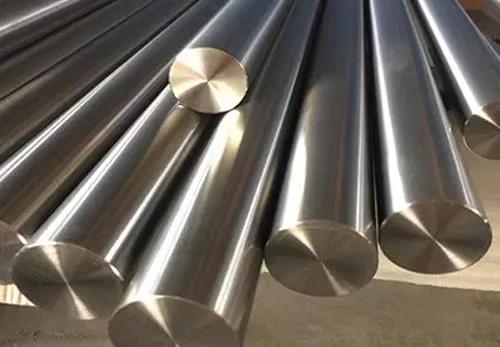
Titanium pole is a long portion of material made of unadulterated titanium or titanium combination. It is lightweight, has high strength, and is resistant to corrosion. It is broadly utilized in aviation, synthetic industry, clinical gear and different fields. Notwithstanding, since the issue of high surface harshness might happen during handling, electrochemical cleaning is expected to work on its surface quality.
Electrochemical polishing improves surface properties like wear resistance, biocompatibility, and resistance to corrosion in titanium rods. It additionally decreases surface harshness, bringing about superior surface feel and better mechanical properties.
Electrochemical cleaning is a strategy that utilizes electrochemical standards to deal with metal surfaces. In the electrochemical cleaning cycle of titanium bars, titanium composite poles, and GR5 titanium poles, you first need to set up a cleaning electrolyte, which typically comprises of an acidic or basic arrangement. Then, the titanium bar is placed into the electrolyte as an anode, and by applying fitting voltage and current, an oxidation-decrease response happens on the outer layer of the titanium bar, in this manner accomplishing a cleaning impact on a superficial level.
During the electrochemical cleaning process, the surface unpleasantness of the titanium bar will steadily diminish, and hydrogen and metal particles will be produced simultaneously. The rate and effect of the polishing process can be adjusted to achieve the desired surface finish by controlling the polishing electrolyte's composition and process parameters.
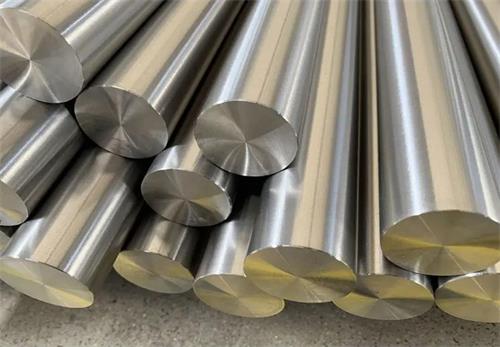
As a matter of some importance, while performing electrochemical cleaning of titanium bars, titanium composite poles, and GR5 titanium bars, consideration should be paid to the control of boundaries like the fixation, temperature, and current thickness of the cleaning electrolyte. Boundaries that are too high or too low might bring about unsuitable cleaning results or antagonistically affect the titanium pole itself.
While electrochemically cleaning titanium bars, factors, for example, electrolyte type, voltage, current thickness, and cleaning time ought to be thought of. Certain electrolytes, for example, perchloric corrosive or hydrofluoric corrosive, are normally utilized in titanium combinations and GR5 titanium poles since they consider an exceptionally intelligent surface completion while limiting surface harm.
Moreover, the kind of cleaning and the particular handling boundaries utilized can enormously influence the last surface quality and execution of the titanium bar. Consequently, it is vital to painstakingly choose the suitable electrochemical cleaning innovation in light of the particular prerequisites of the application.
A common method for treating the surface of titanium rods that can effectively improve its smoothness and surface quality is electrochemical polishing. Polishing effects that meet the requirements can be achieved by reasonably controlling the composition and process parameters of the polishing electrolyte. This improves the titanium rod's application performance and aesthetics.


